
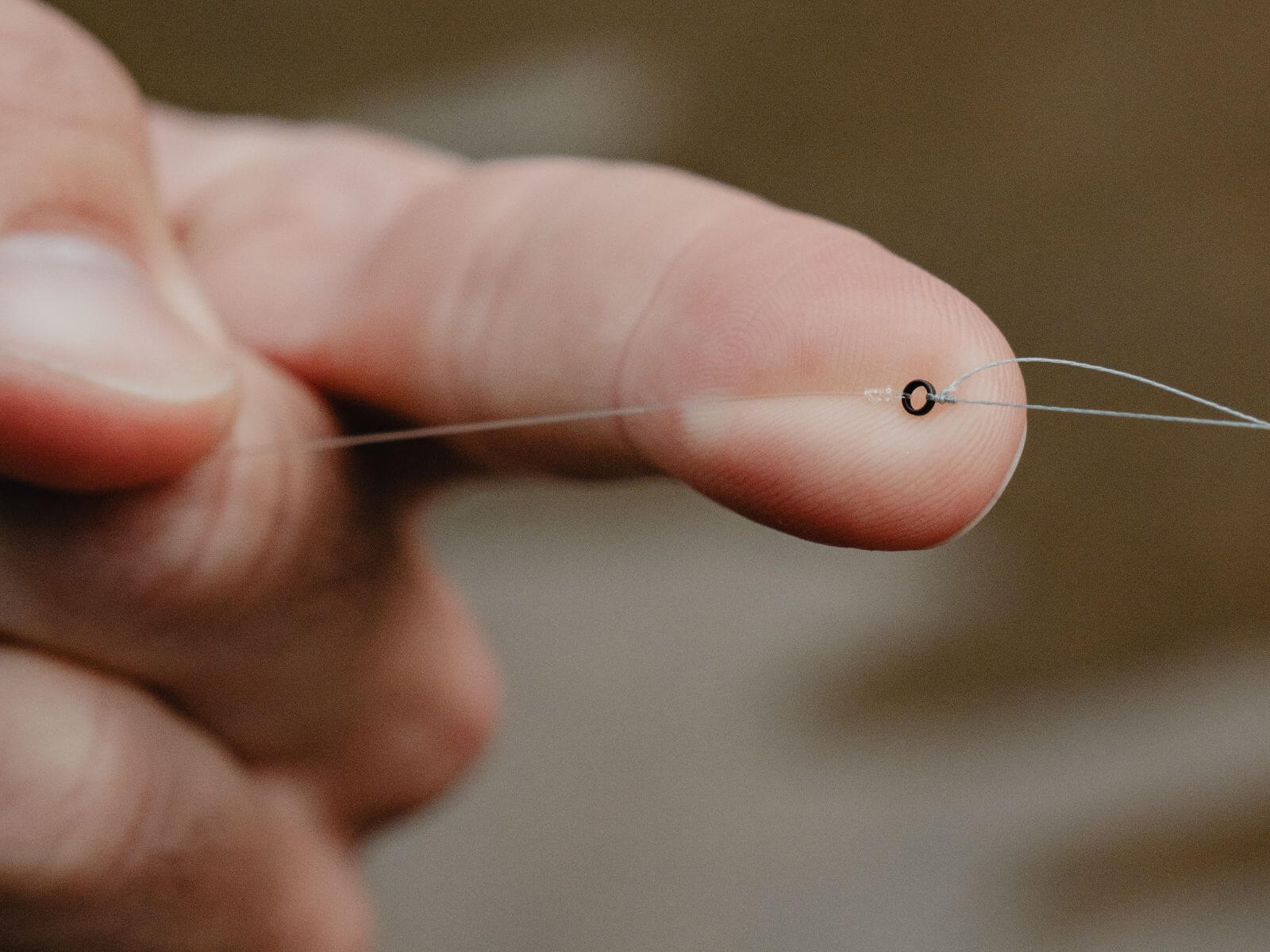
What Do You Really Need to Start Bass Fishing?
Bass fishing looks complicated from the outside. Too many rods. Too many lures. Too many opinions. That’s where most beginners in Bass Fishing go wrong. They buy too much before they ever catch a fish. The truth is quite simple. You don’t need much to start bass fishing.
You need a basic setup, one solid rig, and an understanding of where bass actually live. This article shows you exactly what matters and what doesn’t, so you can stop guessing and start fishing.
Bass Fishing Basics – Quick Takeaways
- • One 7 ft medium power spinning rod covers most bass fishing situations
- • Use a simple spinning reel with 6–8 lb monofilament line
- • Soft plastic worms catch more bass than most beginners expect
- • Learn one setup first: the Texas rig
- • Focus on structure and slow presentations, not distance
What You Actually Need (And What You Don’t)
Most beginners think bass fishing is about having the right gear. It’s not. Bass fishing is about understanding a few basics and keeping things simple. The more gear you bring, the more decisions you have to make, and the slower you learn.
You don’t need five rods or a box full of lures. You don’t need to fish like a pro. What you need is one setup you trust and enough time on the water to learn how bass behave. Many anglers catch bass every week using the same rod, the same line, and just a few lures. They don’t constantly change gear. They focus on where the fish are and how their bait moves.
If you’re just starting out, your goal isn’t perfection. It’s confidence. Catch one bass, and everything changes. From that moment on, learning starts to feel natural instead of forced.
Essential Bass Fishing Gear for Beginners
You don’t need a lot of gear to start bass fishing. One simple setup will handle most situations and help you learn faster without getting distracted by options.
- A 7 ft medium power spinning rod is a solid starting point. It’s long enough for good casting distance but still easy to control from the bank or a small boat. Pair it with a basic spinning reel in the 2000–3000 size range. Nothing fancy. Smooth drag and reliability matter more than brand names.
- For line, keep it simple. 6–8 lb monofilament is forgiving, easy to manage, and works well with soft plastics and basic rigs. It also helps you feel bites without overthinking things.
- Your tackle should stay minimal. A few offset worm hooks, some bullet weights, and a pair of pliers are enough to get started. Add soft plastic worms in natural colors and you’re already equipped to catch bass in ponds, lakes, and rivers.
This kind of setup isn’t limiting. It’s freeing. With fewer choices, you spend less time adjusting gear and more time learning how bass move, where they hide, and how they react to your bait.
What Are The Best Bass Fishing Baits to Start With?
When you’re starting out, bait choice doesn’t need to be complicated. Bass aren’t picky in the way beginners think. They react to movement, profile, and how natural something looks in the water.
Soft plastic worms are the best place to start. They work in almost every situation and pair perfectly with the Texas rig. Ribbon tails, straight worms, or simple creature baits all do the job. Stick to natural colors like green pumpkin, black, or dark purple. You don’t need ten colors. Two or three are enough.
Spinnerbaits and simple crankbaits are good secondary options once you feel comfortable casting and retrieving. They help you cover more water and find active fish, but they’re not required on day one. Many beginners catch their first bass dragging a soft plastic slowly along the bottom.
The biggest mistake is changing baits too often. Give one lure time to work. Learn how it feels in the water. Learn how bass bite it. Confidence in a bait matters more than having the “perfect” one. So Monsters like these will not be far away to catch!

When and Where Beginners Do Actually Catch Bass?
Most beginners focus on gear. What really matters is timing and location. Bass are predictable once you understand a few simple rules.
Bass feed most actively when light levels are low. Early morning and late evening are prime times. If you can fish when the sun is low, your chances go up fast. Midday fishing can still work, but you’ll need to slow down and fish deeper.
Where you fish matters even more than when. Bass relate to structure. They use it for cover and to ambush prey. If you’re not fishing around structure, you’re usually not fishing where bass live.
Focus on areas like:
-
Fallen logs and wood
-
Weed edges and grass lines
-
Rocks and riprap
-
Lily pads and shaded banks
Cast close to cover and let your bait work naturally. Don’t worry about casting far. Short, accurate casts catch more bass than long, random ones.
Weather plays a role too. Light rain can actually help by breaking up the surface and making bass feel safer. Night fishing can also be productive, especially in warm months, but keep your approach simple and slow.
If you remember one thing, remember this.
Find structure, slow down, and fish with purpose. That alone puts you ahead of most beginners.
Catching Bass In Which Time And Season?
Simple Bass Fishing Tips That Save You Months
Most beginners don’t fail because of bad gear. They fail because of small habits that slow their progress. A few simple adjustments can save you a lot of frustration.
Keep these basics in mind:
-
Slow down. Most beginners fish too fast. Bass often bite when the bait is barely moving.
-
Fish the cover, not the open water. If there’s no structure, there’s usually no bass.
-
Watch your line. Many bites don’t feel like a hit. The line just moves or stops sinking.
-
Make fewer casts, but better ones. Accuracy beats distance every time.
-
Stick with one setup. Changing lures constantly kills confidence.
It also helps to pay attention to how your bait feels. Try to notice when it hits bottom, bumps into something, or suddenly feels different. That “different” feeling is often a bite. Most importantly, don’t rush the learning process. Every hour on the water teaches you something, even when you don’t catch fish. The anglers who improve fastest are the ones who stay patient and keep things simple.

Soft Baits for Bass
Want to pick the right colors, shapes, and action for Bass? Our guide shows which soft baits work best – and how to fish them for more strikes.
➤ Read the Soft Baits GuideDo You Need a Bass Fishing Kit?
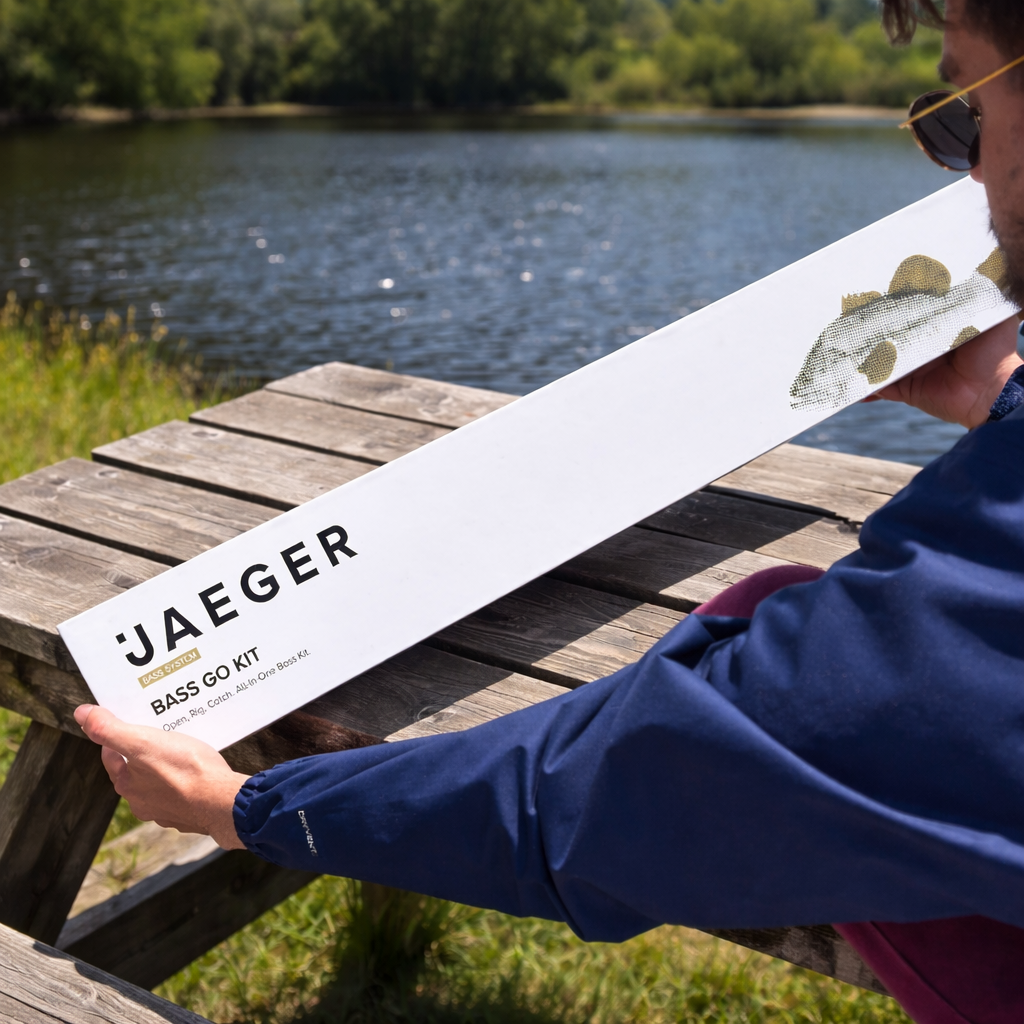
For many beginners, a bass fishing kit is actually the easiest way to start. It removes confusion and lets you focus on fishing instead of shopping lists and technical details.
A well-built kit gives you a balanced setup right away. Rod, reel, line, and basic tackle are matched to work together, which means fewer mistakes and less frustration on the water. You don’t have to wonder if your rod is too stiff, your line too heavy, or your hooks the wrong size.
Kits are especially helpful if you’re new to bass fishing or only fish on weekends. They save time, reduce guesswork, and help you build confidence faster. Instead of experimenting with random gear, you start with something proven and reliable.
Most importantly, a good bass fishing kit lets you spend more time fishing and less time second-guessing your setup. And for beginners, that’s often the difference between giving up early and sticking with the sport long enough to really enjoy it.
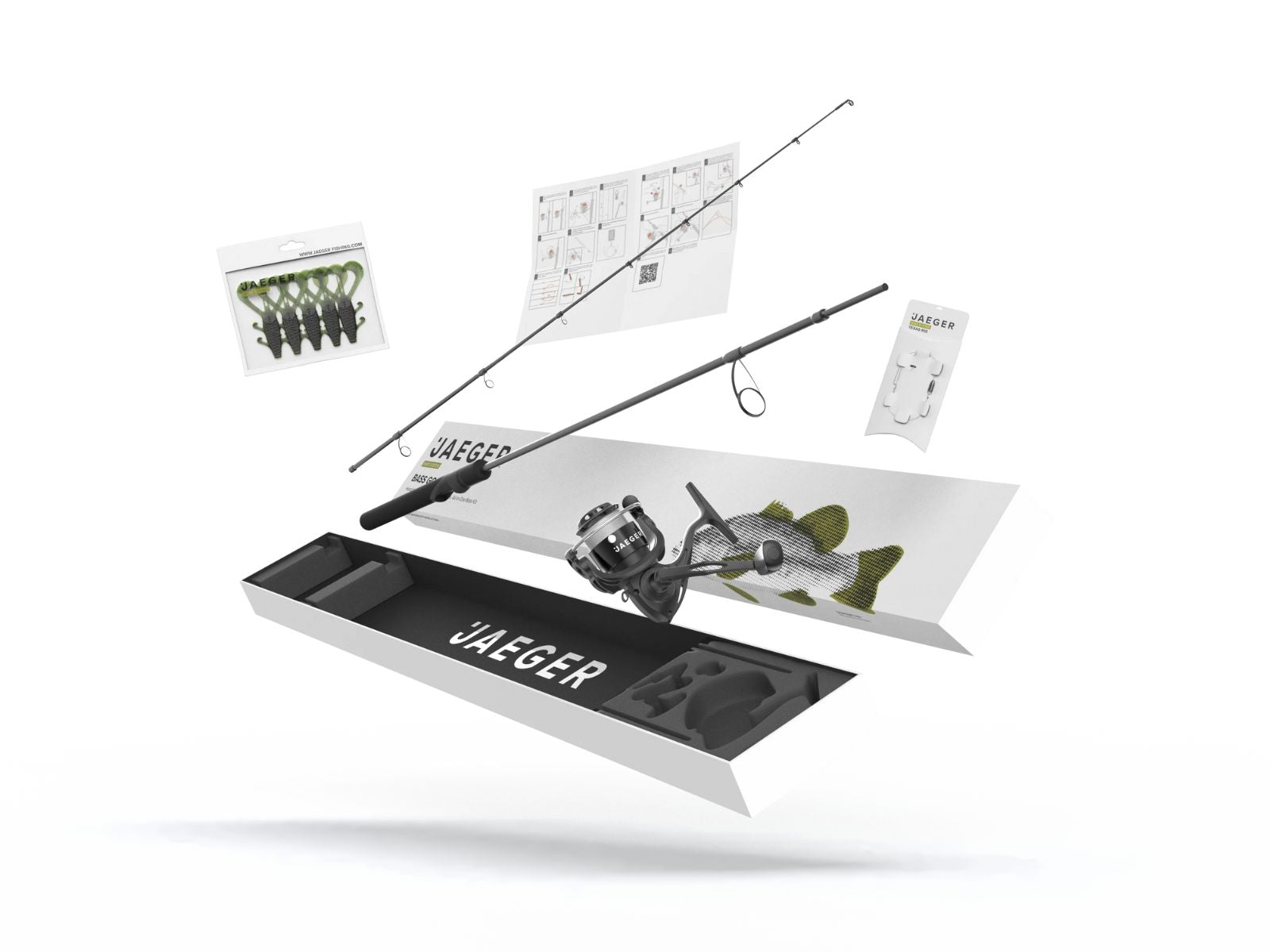
Bass Go Kit – All-in-One Bass Fishing Combo
★★★★★ (15 reviews)
Optimized All-in-One Bass Kit with QuickStart Technology. Open, rig, catch – the fastest way to start Bass fishing in 2025.
FAQ
When is bass fishing season?
Bass fishing is best in spring and fall. During these seasons, water temperatures are comfortable and bass feed more actively. You can catch bass year-round, but beginners usually have the most success in these months.
When do bass start biting?
Bass usually start biting when the water warms up and light levels are low. Early morning and late evening are prime times. In the middle of the day, bites still happen, but fish are often deeper and less aggressive.
Is bass fishing good at night?
Yes, night fishing can be very productive, especially in warm weather. Bass feel safer in low light and move into shallow areas to feed. Keep your approach simple and fish slowly.
Is bass fishing good in the rain?
Light rain can actually improve bass fishing. It breaks up the surface and makes bass more comfortable moving around. Heavy storms aren’t ideal, but gentle rain is often a good sign.


Leave a comment
This site is protected by hCaptcha and the hCaptcha Privacy Policy and Terms of Service apply.