

When to Use Texas Rig vs Jig (Simple Bass Guide)
Few topics confuse bass anglers more than this one. Texas rig or jig? Both catch bass. Both have produced tournament wins. And both can completely shut you out if you use them at the wrong time.
Generally it’s not about which bait is “better.” It’s about when each one shines.
A Texas rig is all about efficiency. It slips through grass, gets bites in tough conditions, and works almost everywhere bass live. A jig, on the other hand, is a power move. Bigger profile, more water displacement, fewer bites but often the right ones.
If you’ve ever wondered why you’re getting lots of small bites on one day, but only a few heavy hits on another, the answer usually comes down to this choice.
Texas Rig vs Jig – Quick Takeaways
- • Texas rigs get more bites, especially in pressured or clear water
- • Jigs produce fewer bites, but often from bigger bass
- • Use Texas rigs for grass, pads, bushes, and thick cover
- • Use jigs around wood, rocks, docks, and in dirty water
- • When in doubt, start with a Texas rig and switch to a jig to target bigger fish
What Is a Texas Rig (and Why It Still Works Everywhere)
The Texas rig has been around forever—and for good reason.
It’s simple, weedless, and incredibly effective across almost every bass fishery in the U.S.
At its core, a Texas rig is just a soft plastic bait rigged so the hook point is hidden. That single detail changes everything. It lets the bait slide through cover instead of hanging up, which means you can fish where bass actually live—not just where it’s easy to cast.
You don’t need perfect conditions for a Texas rig. It works when bass are aggressive. It works when they’re pressured. And it works when nothing else seems to.
Why ist the Texas Rig Effective?
The biggest strength of a Texas rig is efficiency. You spend more time fishing and less time fighting snags.
Because the bait falls naturally and moves subtly, bass don’t need to commit hard to bite it. That’s why Texas rigs consistently produce more bites overall, especially when fish are cautious.
Other key advantages:
-
Weedless design for heavy cover
-
Natural, non-threatening presentation
-
Easy to fish slow or fast
-
Simple enough for beginners, deadly for experienced anglers
When is a Texas Rig the Better Choice?
A Texas rig shines when conditions call for finesse and control.
Use a Texas rig when:
-
You’re fishing dense grass, lily pads, or bushes
-
Bass are under heavy fishing pressure
-
The water is clear and fish inspect baits closely
-
You want to maximize bites, not just size
-
You’re fishing unfamiliar water and need a safe starting option
If you only had one setup to cover the most situations, this would be it.
What Is a Jig (and Why It Gets Bigger Bites)
A jig is a different tool for a different job. Where a Texas rig is subtle and efficient, a jig is built to stand out. With its bulky profile, skirt, and often a craw-style trailer, a jig moves more water and looks like a real meal. That’s why it doesn’t always get the most bites—but when it does, they’re often from better fish.
Jigs shine when bass are willing to commit. They appeal to aggressive feeders and big fish that don’t want to waste energy chasing small prey.

Jig Set – Pike Jig Set (Big-Bite Option)
★★★★★ (7 reviews)
A simple jig setup built for fishing around wood, rocks, and dirty water—when you want a bigger profile and heavier bites. Great pick when you’re done “getting bites” and ready to upgrade your fish.
Why Jigs Trigger Bigger Bass?
The main advantage of a jig is presence. It pushes water, slows the fall, and gives bass a clear target. Big bass are opportunists. When they see a jig crawling or falling near cover, it signals one thing. An easy, high-protein meal. That’s why jigs are so effective when you’re hunting quality over quantity.
Key reasons jigs produce bigger bites:
-
Bulky profile = larger target
-
Skirt creates vibration and realism
-
Craw-style trailers match natural forage
-
Slower, controlled presentations trigger reaction strikes
When is a Jig the Better Choice?
Jigs perform best in situations where bass rely more on feel and ambush than sight.
Use a jig when:
-
The water is dirty or stained
-
You’re fishing wood, stumps, or rock
-
Bass are holding tight to docks or shade
-
You’re targeting largemouth specifically
-
You want fewer bites, but bigger fish
A classic example is summer dock fishing. Big bass often sit inactive under cover, and a jig dropped right in front of them can trigger a lazy but powerful strike.
Texas Rig vs Jig in Real-World Conditions
Most confusion doesn’t come from the baits themselves.
It comes from changing conditions.
Water clarity, cover, pressure, and even your goal for the day all affect whether a Texas rig or a jig makes more sense. Instead of thinking in rigid rules, it helps to think in situations.
A Texas rig is about efficiency and information. It lets you fish cleanly through cover, get feedback fast, and adjust without burning time. A jig is more selective. It slows you down, forces bass to commit, and shines when you know fish are present and positioned tight to cover.
In practice, that means:
-
Start subtle when you’re unsure
-
Scale up when you want better bites
-
Match the bait to how bass are feeding, not just where they are
Here’s how that plays out under common bass fishing conditions.

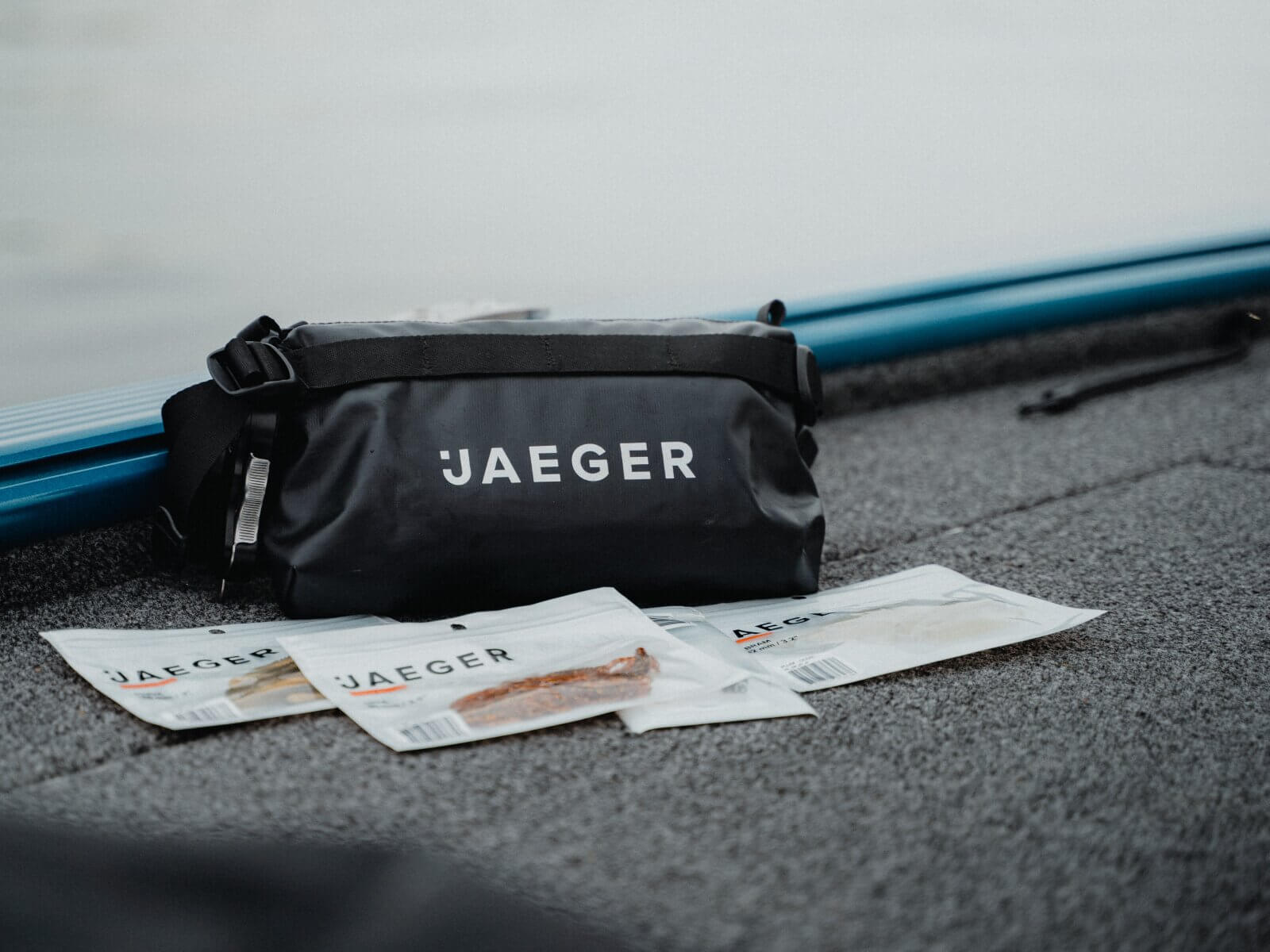
Texas Rig 10X Reload Bundle – Built for More Bites
★★★★★ (2 reviews)
High-confidence Texas rig reload bundle designed for pressured bass, clear water, and heavy cover. Perfect for anglers who want more bites without overthinking their setup.
How Conditions Change the Decision
In clear water or pressured lakes, bass have time to inspect your bait. A Texas rig looks natural, falls cleanly, and doesn’t force a reaction. That’s why it consistently gets more bites when fish are wary.
In dirty water or low visibility, bass rely more on vibration and profile. A jig displaces water, gives bass something to track, and stands out just enough to trigger a strike.
Cover matters just as much:
-
Grass, pads, and bushes favor the Texas rig
-
Wood, rock, and docks favor the jig
And then there’s intent. If your goal is simply to catch fish, a Texas rig keeps you in the game. If your goal is to catch better fish, a jig helps you filter out the smaller ones.
Is a Texas Rig Good for Beginners?
Yes, absolutely. In fact, the Texas rig is one of the best ways to learn bass fishing the right way. Beginners often struggle with two things: snagging constantly and not knowing whether bass are even there. The Texas rig solves both problems at once. Its weedless design lets you fish real bass cover without frustration, and its subtle presentation gets bites even when your technique isn’t perfect yet.
That’s why so many experienced anglers recommend learning this setup first not because it’s basic, but because it teaches fundamentals that carry over to every other technique.
A Texas rig helps beginners learn:
-
how bass relate to cover
-
how to fish slowly and with control
-
how to detect subtle bites
-
how to stay confident when bites are tough
Instead of forcing reaction strikes, you’re letting bass decide. That’s a much easier learning curve.
Why Beginners Catch More Fish With a Texas Rig
A Texas rig is forgiving. You don’t have to fish it perfectly for it to work.
You can drag it, hop it, dead-stick it, or swim it slowly and bass will still eat it. Missed bites aren’t a failure; they’re feedback. Over time, you start to feel the difference between a rock, a weed, and a real bite.
Compared to a jig, which requires better line control and bottom awareness, a Texas rig lets beginners focus on location and presentation first. Those skills matter far more than lure choice in the long run.
If you’re just starting out, this is the setup that builds confidence instead of taking it away.

When Should You Use a Jig for Bass?
A jig isn’t harder to fish—but it is more demanding. Jigs work best when you already understand where bass are holding and how they’re positioned. That’s why many anglers switch to a jig after they’ve caught a few fish or identified a productive area.
Jigs excel when bass are:
-
holding tight to cover
-
feeding on crawfish
-
less willing to chase smaller prey
-
aggressive enough to commit
Seasonally, jigs shine during:
-
pre-spawn, when bass stage near cover
-
post-spawn, when bigger fish recover and feed selectively
-
summer, especially around docks and shade
This is where a jig becomes a precision tool. You’re no longer searching—you’re targeting.
Texas Rig or Wacky Rig Which Is Better?
This question comes up a lot, and the answer depends on cover.
A wacky rig is extremely effective in open water or around light cover. It has a slow, fluttering fall that triggers bites from suspended or cruising bass. But once you introduce grass, pads, or thicker cover, the Texas rig wins almost every time. Its weedless setup lets you fish deeper into the strike zone without constantly re-rigging.
A simple way to decide:
-
Open water or sparse cover → wacky rig
-
Grass, pads, bushes, or pressure → Texas rig
That’s why many anglers keep both tied on but rely on the Texas rig far more often.
Difference Between a Rig and a Jig (Simple Explanation)
This one is simpler than it sounds.
A rig is a way of setting up a soft plastic bait using a hook and weight.
A jig is a single, compact lure with the hook and weight built together.
In practice?
-
Rigs are more subtle and adaptable
-
Jigs are more compact and aggressive
The Biggest Mistake Anglers Make
The most common mistake isn’t choosing the wrong bait. It’s refusing to switch. Many anglers commit to a jig because they want big fish—even when conditions clearly favor a Texas rig. Others stick with a Texas rig all day and miss opportunities to upgrade their bites.
Good anglers adjust. Great anglers simplify the decision.
If bites are hard to come by, go subtle. If bass are present and positioned, go bold. That mindset alone will catch you more bass than any lure upgrade.
Final Verdict – Texas Rig or Jig?
There’s no winner between a Texas rig and a jig—only better decisions.
A Texas rig is your workhorse. It gets bites in tough conditions, slides through cover, and tells you quickly whether bass are present. It’s the setup you can trust when the bite is slow, the water is clear, or the fish are pressured.
A jig is your upgrade tool. It targets better fish, shines around hard cover, and excels when bass are willing to commit. You may get fewer bites—but they’re often the ones you actually want.
If you remember one thing, remember this
-
Want more bites? Start with a Texas rig.
-
Want bigger bites? Pick up a jig.
Most successful bass anglers don’t choose one and ignore the other. They start subtle, read the conditions, and then scale up when the situation calls for it. That simple approach eliminates guesswork and puts more bass in the boat.
FAQ
Is a Texas rig good for bass?
Yes. A Texas rig is one of the most effective bass fishing setups ever created. It works in lakes, rivers, ponds, and reservoirs and catches bass year-round. Its weedless design and natural presentation make it effective in both clear and pressured water.
Is a Texas rig good for beginners?
Absolutely. The Texas rig is ideal for beginners because it’s simple, forgiving, and versatile. It helps new anglers fish real cover without constant snags and teaches essential skills like bite detection and slow presentations.
When should you use a jig for bass?
Use a jig when bass are holding tight to cover, feeding on crawfish, or when water clarity is low. Jigs are especially effective around wood, rocks, docks, and during pre-spawn, post-spawn, and summer conditions when bigger bass are present.
What is the main advantage of using a jig?
The main advantage of a jig is its ability to target larger bass. Its bulky profile displaces more water and appeals to aggressive fish looking for a substantial meal, resulting in fewer but higher-quality bites.
What is the difference between a rig and a jig?
A rig refers to how a soft plastic bait is set up using a hook and weight, while a jig is a single lure with the hook and weight built together. Rigs are typically more subtle and adaptable, while jigs are more compact and aggressive.

Leave a comment
This site is protected by hCaptcha and the hCaptcha Privacy Policy and Terms of Service apply.