
Why You’re Not Catching Bass (Even with Good Gear)
You’ve got decent gear. The rod feels right. The lure looks perfect. And still, nothing. No bites. No follows. Another blank session.
If that sounds familiar, you’re not alone. Most anglers who struggle with catching bass aren’t doing something obviously wrong. That’s the frustrating part. You can do a lot of things “right” and still walk away empty-handed.
Bass fishing isn’t about owning better gear. It’s about making better decisions. Small ones. Often uncomfortable ones. Slowing down when you don’t want to. Fishing deeper when the bank looks good. Sticking with a lure when switching feels easier.
Why Am I Not Catching Bass? At A Glance
- • The most common bass fishing mistakes anglers make without noticing
- • Why good gear alone doesn’t lead to catching bass consistently
- • How lure speed, size, and depth quietly kill your chances
- • What weather, water temperature, and clarity really change underwater
- • How simplifying your setup helps you make better decisions on the water
- • Practical adjustments you can apply immediately — no new gear required
Catching Bass Isn’t About Gear – It’s About Decisions
Most anglers who struggle with catching bass don’t lack equipment. They lack clarity. The setup feels right. The lure is proven. The cast looks good. And yet, nothing happens. That’s usually the moment when people assume they need better gear. In reality, the problem sits somewhere else.
Bass fishing is a decision game. Every cast forces you to choose often without realizing it. You decide:
-
how fast you fish
-
how deep you present your lure
-
where you focus your time
-
and how long you stick with one approach
Get one of those wrong, and even the best gear won’t save the session. This is where many bass fishing mistakes hide. Not in obvious errors, but in small, logical choices that quietly reduce your chances. Fishing a little too fast because you’re confident. Staying shallow because it looks productive. Switching lures because it feels active.
None of these feel wrong in the moment. That’s why they’re so common.
The truth is simple: bass don’t respond to gear. They respond to conditions and presentation. When your decisions don’t match what’s happening underwater, catching bass becomes unlikely no matter how good your setup is. Once you understand that, the entire game changes.

Bass Fishing Mistakes Most Anglers Don’t Notice
Some bass fishing mistakes are obvious. Wrong knot. Broken line. Casting into open water with no structure. Those aren’t the problem here.
The real mistakes bass fishing anglers make are subtle. They feel reasonable. Sometimes they even feel right. That’s what makes them dangerous.
Fishing Too Fast
This is the most common reason anglers stop catching bass and usually the last one they suspect.
Bass don’t chase all the time. Especially not in cold water, post-front conditions, or extreme heat. When you fish fast, you’re forcing fish to make a decision they’re not willing to make.
What happens instead
-
bass track the lure but don’t commit
-
fish strike short or ignore it completely
-
you leave productive water too quickly
Slowing down doesn’t mean fishing boring. It means giving bass time to react.
Using the Right Lure in the Wrong Way
Many anglers throw proven baits and assume that’s enough.
It isn’t. A Senko, jig, or spinnerbait can be deadly or completely ineffective depending on how it’s fished.
Common issues
-
same retrieve speed everywhere
-
no pauses or changes in cadence
-
working the lure above the fish instead of through them
Fishing Memories Instead of Conditions
This one is hard to admit. You caught bass here last time. So you start here again. Same bank. Same angle. Same depth. Bass don’t live in memories.
They move with:
-
water temperature
-
oxygen levels
-
bait movement
-
pressure changes
If conditions change, location changes. Staying loyal to a spot instead of adapting is one of the quietest bass fishing mistakes and one of the most costly.
Staying Shallow When Bass Moved Deeper
Shallow water looks alive. Deeper water looks empty. That’s why so many anglers avoid it. When bass pull off the bank, they don’t disappear.
They settle on:
-
drop-offs
-
edges of vegetation
-
submerged wood
-
deeper structure near shallow feeding areas
If you’re only fishing what you can see, you’re often fishing above empty water. Most of these mistakes don’t come from lack of skill. They come from fishing on autopilot. And autopilot is the enemy of catching bass consistently.

Mistakes Bass Fishing in Changing Conditions
When conditions change, bass change with them. If your approach stays the same, catching bass becomes inconsistent, fast. Here are the most common mistakes bass fishing anglers make when conditions shift:
-
Ignoring water temperature changes
Bass are cold-blooded. A few degrees up or down can completely change how active they are. Fishing the same speed after a cold snap or heat wave often means fishing past inactive fish.
-
Not adjusting retrieve speed
Fast retrieves kill bites when bass are lethargic. Slower movement, longer pauses, and tighter presentations give bass time to react instead of forcing a chase.
-
Fishing the wrong depth
When it’s too hot, too cold, or after a cold front, bass often move deeper or hold tighter to structure. Staying shallow because it “looks good” is a classic mistake.
-
Overlooking water clarity
Clear water demands subtlety. Dirty water requires profile, vibration, and presence. Using the same lure style regardless of clarity drastically lowers your chances.
-
Ignoring pressure and weather changes
Cold fronts, falling pressure, and sudden wind shifts make bass less aggressive. After these events, bass often hug cover and refuse fast-moving baits.
-
Assuming bass disappeared
Bass don’t vanish but they reposition. They become nomadic, suspend, or slide off banks. Fishing yesterday’s pattern is one of the fastest ways to blank.
Why You’re Not Catching Bass And How to Catch a Bass More Consistently?
A lot of anglers eventually ask themselves the same question:
Why am I not catching bass?
The honest answer is uncomfortable. Catching bass is rarely about luck. It’s about understanding when and where bass are actually catchable and adjusting your expectations.
Is Fishing Based on Luck or Skill?
Luck exists. But skill decides how often you rely on it. If fishing were pure luck, the same anglers wouldn’t keep catching bass again and again in different lakes, ponds, and rivers. Skill shows up in how fast you read conditions and how quickly you adjust.
That’s the real difference between random bites and consistent catching bass.
How to Catch Bass in a Lake or Pond?
Lakes and ponds are where many anglers struggle most, especially from shore.
Common mistakes?
-
Covering too much water too fast
-
Fishing only visible shoreline
-
Ignoring depth changes close to the bank
To improve your chances you can....
-
focus on drop-offs near shore
-
target structure like wood, grass edges, and shade
-
slow down and fish fewer areas more thoroughly
Knowing how to catch bass in a lake or how to catch bass in a pond isn’t about secret spots. It’s about understanding that bass use predictable routes and comfort zones.
How to Catch Bass from Shore (Without a Boat)?
Shore anglers can absolutely catch bass but they have to fish smarter.
Key adjustments:
-
fish parallel to the bank, not just straight out
-
target transitions (rock to sand, grass to open water)
-
let the lure work longer in one zone
If you are still unsure about the right bait we strongly recommend you having a look at the best soft baits for bass that will guarantee you a catch!


Can You Catch Bass at Night?
Yes and often more consistently than during the day.
Bass feed with confidence in low light. But catching bass at night requires changes:
-
slower retrieves
-
darker or more visible lure profiles
-
focusing on shallow feeding areas near deep water
Noise, vibration, and consistency matter more than speed after dark.
Can You Catch Bass in the Winter?
You can but expectations need to change.
Catching winter bass means:
-
fewer bites
-
deeper fish
-
much slower presentations
If you’re wondering how to catch bass in the winter, the answer is patience. Winter bass rarely chase. They react when something stays in their strike zone long enough.
Why You Keep Blanking (And What Actually Fixes It)
Blank sessions happen to everyone. Even experienced anglers. Especially experienced anglers.
Every blank teaches you something:
-
about timing
-
about conditions
-
about your own habits
Once you stop asking “what lure catches bass?” and start asking “what are bass doing right now?”, catching bass stops feeling random. And that’s when things finally click.

Learn Bass Fishing Like a Pro
Want to master bass fishing techniques, rigs, and lures? Check out our ultimate bass fishing guide packed with expert tips, gear recommendations, and proven setups that catch fish.
➤ Read the Bass Fishing MasterclassIf you strip bass fishing down to what actually matters, one thing becomes clear: fewer variables lead to better decisions. A clean setup helps you focus on speed, depth, and location instead of constantly questioning your gear.
That’s exactly where a well-balanced bass fishing gear makes sense. Not because it magically catches fish but because it removes friction. You spend less time adjusting and more time learning what bass are doing in front of you. For anglers who want a reliable baseline that works across lakes, ponds, and rivers, a simple, proven setup is often the fastest way to start catching bass more consistently.
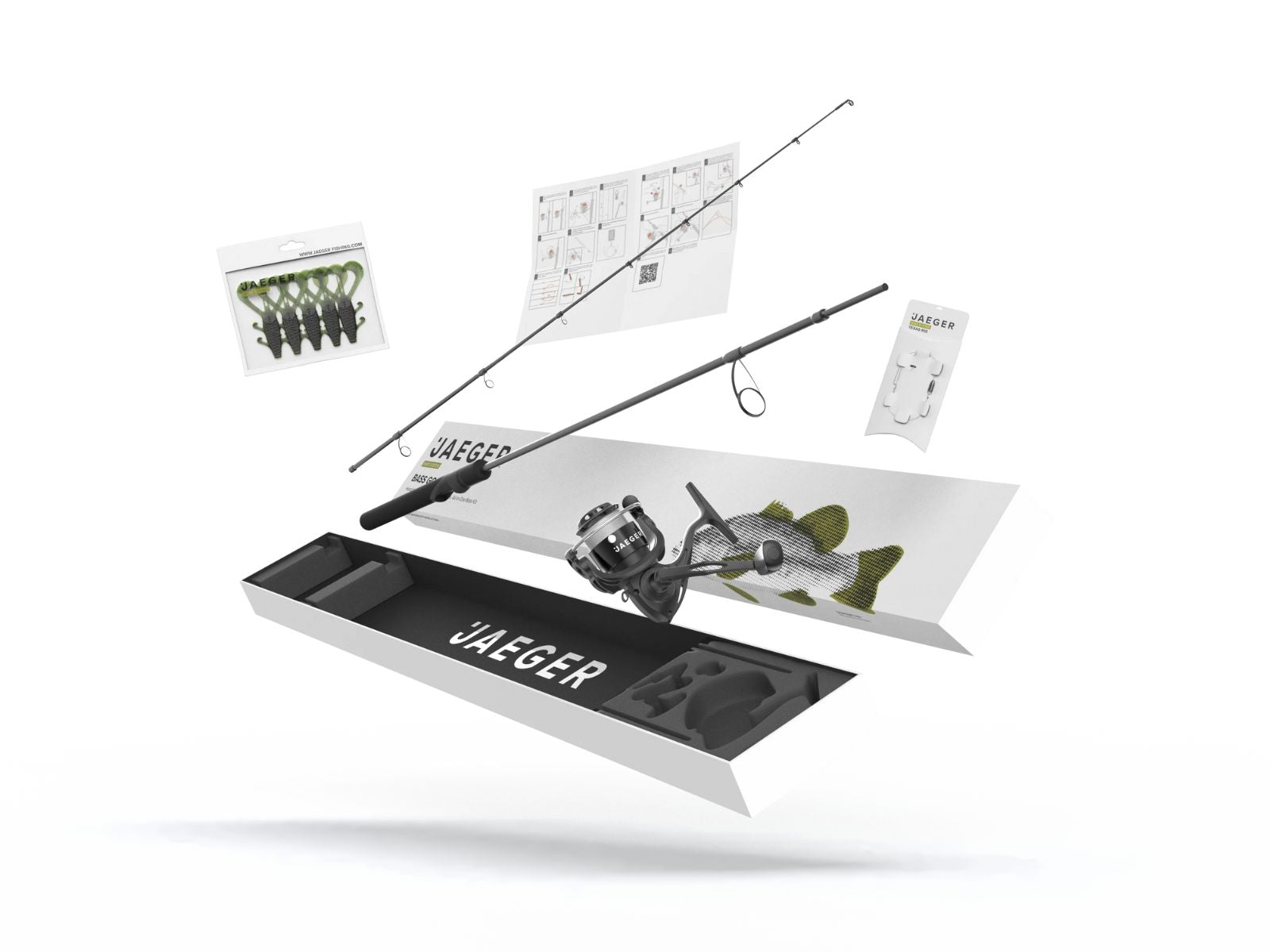
JAEGER Bass Go Kit – Best Bass Setup
★★★★★ (20+ reviews)
This all-in-one combo includes a 7 ft rod, smooth 2500 reel, premium braid, and ready-rigged Texas setup – everything you need to catch more bass now.
Catching Bass Becomes Easier Once You Trust the Process
Catching bass gets easier when you stop looking for shortcuts. There is no single lure, no perfect color, and no setup that fixes everything. What actually makes the difference is understanding why a session failed and adjusting one variable at a time.
That’s why blank days matter more than good ones. Every empty trip teaches you something about timing, depth, or conditions. The anglers who improve aren’t the ones who avoid blanks. They’re the ones who pay attention to them.
Bass fishing rewards commitment more than constant change.
- Slow down when bites stop.
- Fish deeper when the bank feels dead.
- Stay with one lure long enough to learn how it behaves at different speeds and angles.
Once you stop chasing answers and start reading the water, catching bass stops feeling random. It becomes predictable. Not easy but understandable. And at some point, you’ll realize something important. It was never about having better gear. It was about making fewer mistakes, one decision at a time.
FAQ
Why do I always blank fishing?
Most blanks are caused by fishing the wrong depth, moving too fast, or not adapting to changing conditions like water temperature or pressure. The key isn’t avoiding blanks, but learning why they happened and adjusting your approach next time.
Is fishing based on luck or skill?
Luck plays a role in fishing, but skill determines consistency. Anglers who understand bass behavior, location, and conditions catch fish regularly even when others don’t. Catching bass becomes predictable once you learn how to read water, structure, and seasonal patterns.
Can you catch bass at night?
Yes, and in many cases, catching bass at night is easier than during the day. Bass feel safer in low light and move shallow to feed. Slower retrieves, darker lure profiles, and consistent presentation are key when fishing for bass at night.
Can you catch bass in the winter?
You can catch bass in winter, but expectations need to change. Winter bass are less aggressive, hold deeper, and rarely chase fast-moving lures. Catching winter bass requires slowing down, fishing deeper structure, and keeping your bait in the strike zone longer.
How can I increase my chances of catching a bass?
To increase your chances of catching bass:
-
slow down your retrieve
-
fish the correct depth for current conditions
-
focus on structure and cover
-
adapt to weather and water changes
-
commit to one technique long enough to understand it
Catching bass consistently is about reducing mistakes, not finding shortcuts.
Can fish see you on the bank?
Yes. In clear water or shallow conditions, bass can see movement and shadows on the bank. Staying low, avoiding sudden movements, and keeping some distance from the water can significantly improve your chances especially when fishing from shore.


Leave a comment
This site is protected by hCaptcha and the hCaptcha Privacy Policy and Terms of Service apply.