

The Simplest Bass Fishing Setup That Actually Works
Bass fishing isn’t hard because bass are smart. It’s hard because most setups are overcomplicated.
Walk into any tackle shop and you’ll see it immediately. Dozens of rods. Hundreds of lures. Every color imaginable. And somehow the message is always the same: you need more.
But here’s the truth most anglers learn the slow way. Bass don’t care how advanced your gear is. They react to presentation, location, and timing. The setup just needs to get your bait there cleanly and naturally.
That’s why so many people struggle. Not because they lack skill, but because they’re fishing setups that are too complex to control. Too heavy. Too fast. Too distracting. This guide is about stripping bass fishing back to what actually works.
- No endless gear lists.
- No “pro-only” techniques.
- No theory that only works in perfect conditions.
You’ll learn a simple bass fishing setup that covers most real-world situations. One you can fish in ponds, lakes, and rivers. One that works whether you’re just starting out or already know your way around the water.
The Simplest Bass Fishing Setup – At A Glance
- • What a truly simple bass fishing setup actually looks like
- • The 3 rigs that cover most real-world bass situations
- • Why fewer lures and lighter gear lead to better control
- • How the right setup improves presentation, not just casting
- • When to use Texas Rig, Wacky Rig, or Ned Rig
- • How simplifying your gear helps you catch bass more consistently
Why Simplicity Is the Key to Bass Fishing Success
Bass fishing gets easier the moment you stop trying to control everything.
Most anglers think success comes from adding tools. Heavier rods. More lures. More options. In reality, every extra choice slows you down on the water. You think more. You fish less. And your presentation suffers. Bass don’t need complexity to strike. They respond to clear movement, natural fall, and consistent depth. Simple setups make those three things easier to control.
When your rig is uncomplicated, you feel what’s happening. You notice bottom contact. You recognize bites faster. You adjust speed and depth without guessing. That feedback loop is what catches fish and not a tackle box full of options.
There’s another advantage most people overlook. Simple setups force commitment. Instead of switching lures every five casts, you stay with one technique long enough to fish it properly. That alone catches more bass than most gear upgrades ever will.
This doesn’t mean basic or ineffective. It means efficient.
A clean setup lets you focus on where the fish are, not on what you tied on. And once you understand that, bass fishing stops feeling random.
The 3 Simplest Bass Fishing Setups That Actually Work
You don’t need a dozen different rigs to catch bass.
You need a few that cover different situations — and that you can fish with confidence.
These three setups do exactly that. Together, they handle most water types, most seasons, and most bass behavior you’ll encounter.

The Texas Rig (Versatile & Weedless)
The Texas rig is the foundation of simple bass fishing. It works in more places than almost any other setup.
What is a Texas Rig?
-
Bullet weight
-
Extra-wide gap (EWG) hook
-
Soft plastic (worm, creature, craw)
-
Hook point tucked into the bait (weedless)
How to fish a Texas Rig?
-
Cast near cover: weeds, docks, wood, laydowns
-
Let it sink to the bottom
-
Work it back with:
-
small hops
-
slow drags
-
or a steady retrieve
-
Why does it work?
-
Fishes cleanly through cover
-
Gives constant bottom contact and feedback
-
Adapts to many conditions without re-rigging
If you’re unsure which rig to start with, this is the safest choice. For a full breakdown, see Texas Rig 101 – How to Rig, Fish & Catch More Bass
The Wacky Rig (Slow Fall & Subtle Action)
When bass slow down or see too much pressure, speed becomes your enemy. That’s where the wacky rig shines.
What is a Wacky Rig?
-
Soft plastic stickbait
-
Hook placed straight through the center
-
Usually fished weightless
How to fish with it?
-
Cast and let it fall on a slack line
-
Watch your line — many bites happen on the fall
-
If nothing happens:
-
lift the rod slightly
-
let it fall again
-
Why it works?
-
Slow, natural fall looks harmless
-
Triggers bites from pressured or inactive bass
-
Perfect for ponds and clear water
It doesn’t force a reaction. It lets bass decide and that often makes all the difference.
The Ned Rig (Finesse & Simple)
Some days, bass want less movement, less size, and less noise. The Ned rig covers those situations.
What it is?
-
Small soft plastic
-
Mushroom-shaped jig head
-
Compact, subtle profile
How to fish it?
-
Cast and let it sink to the bottom
-
Use:
-
tiny twitches
-
slow drags
-
long pauses
-
-
Keep it close to the bottom
Why it works?
-
Small profile doesn’t spook fish
-
Excels in clear or pressured water
-
Easy to control, even for beginners
When everything else feels too aggressive, the Ned rig often gets bites again.
Essential Bass Fishing Gear (What You Actually Need)
Once your rigs are simple, your gear should follow the same idea.
Most problems on the water don’t come from the lure itself. They come from gear that’s too stiff, too heavy, or too unforgiving to fish cleanly. When you can’t feel what your bait is doing, everything turns into guesswork.
For a simple bass fishing setup, a spinning combo does the job better than most people expect. A medium or medium-light rod gives you enough backbone to fight fish, but still lets you feel bottom contact and subtle bites. Paired with a smooth spinning reel, it keeps things easy and predictable especially when you’re fishing lighter rigs like Texas, wacky, or Ned rigs.
Line choice matters more than most anglers realize. Ten to fifteen pound test is the sweet spot for this kind of fishing. Lighter line lets your bait fall naturally and move the way it’s supposed to. It also improves sensitivity, which is critical when bites are soft or happen on the fall. Whether you choose monofilament or fluorocarbon comes down to preference, but the key is avoiding line that’s heavier than the situation requires.
When it comes to lures and tackle, less really is more. You don’t need a wall of soft plastics to catch bass. A handful of worms, a few creature or craw baits, and some stickbaits are enough to cover most conditions. Add a small selection of bullet weights and jig heads, and you’re set.
This kind of setup does more than simplify your gear. It simplifies your decisions. You spend less time tying knots and more time paying attention to depth, speed, and structure. That’s where bass are actually caught.
If you want a deeper look at balanced rod and reel combinations, you’ll find it in Best Fishing Rod Combos: Top Picks for Bass.
Next, we need to talk about something even more important than gear, it's presentation, and why the way you fish your setup matters more than what you’re fishing.

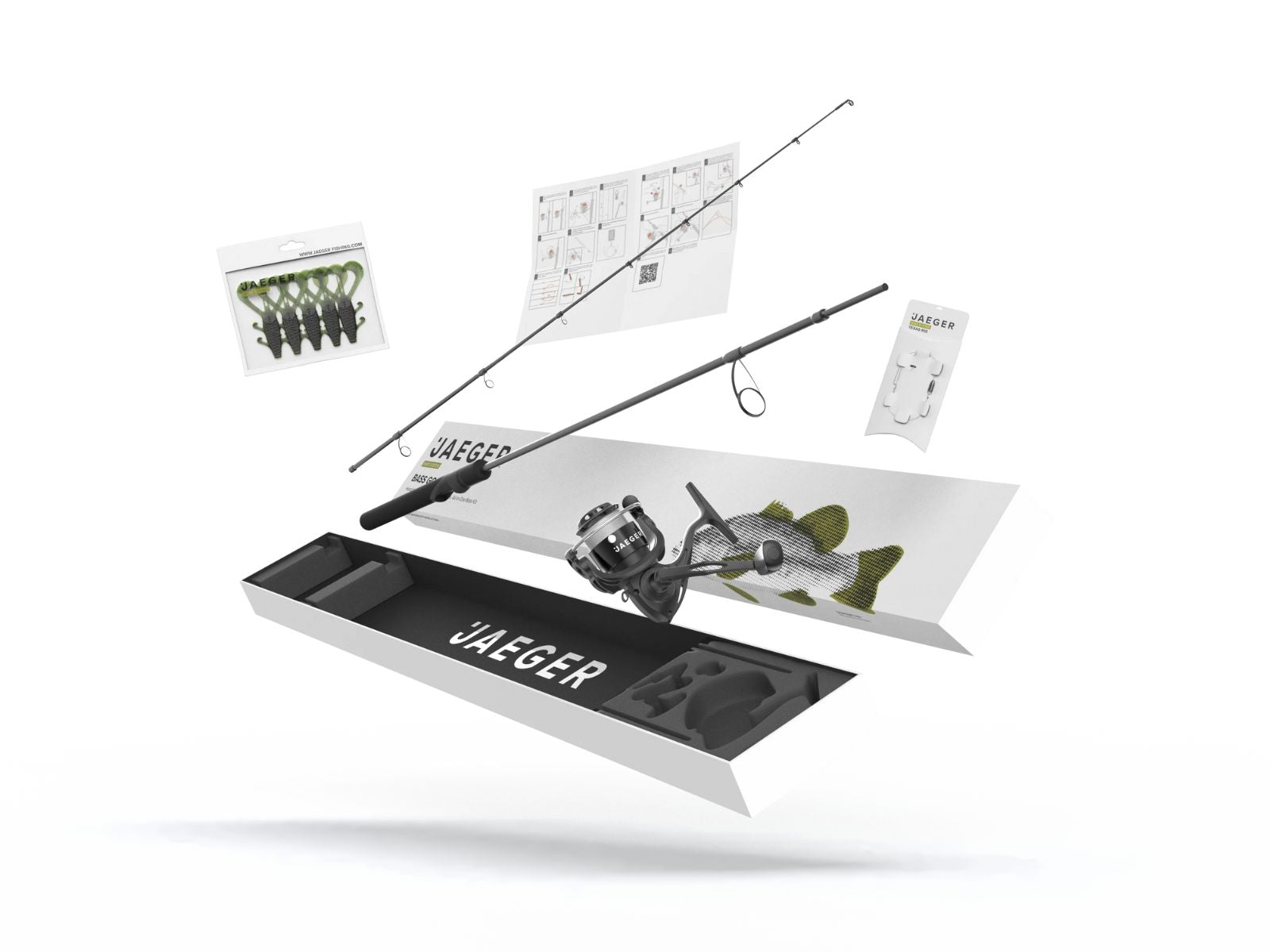
The Bass Go Kit Master Edition already includes everything that anglers need to catch big bass.
Bass Fishing Presentation And Why Setup Alone Isn’t Enough
A simple setup only works if you fish it the right way.
Many anglers finally pick a solid rig and still don’t get bit. Not because the setup is wrong, but because the presentation is. Too much movement. Too much speed. Not enough time in the strike zone.
Bass don’t judge your gear. They react to what your bait does underwater. How it falls. How it moves. And whether it looks like something worth eating.
Presentation comes down to three basic elements:
-
The lure itself – its shape, size, and natural action
-
Your movement – retrieve speed, pauses, and rod control
-
The rigging – how the bait is hooked and weighted
When one of these is off, even the best lure stops working.
This is where simple setups have a real advantage. With fewer components, it’s easier to feel what’s happening. You notice bottom contact. You recognize when the bait is falling correctly. And you detect bites that would go unnoticed with heavier or more complex gear.
Most bass aren’t caught while the bait is moving fast. They’re caught during pauses. On the fall. Or right after a small, natural movement.
That’s why slowing down fixes so many problems on the water. Instead of constantly switching lures, small adjustments make a bigger difference:
-
Slowing the retrieve
-
Letting the bait fall longer
-
Keeping the bait closer to cover
-
Fishing one rig properly before changing
If you want to see how common mistakes in speed, depth, and timing quietly kill your chances, read Why You’re Not Catching Bass (Even with Good Gear). It connects directly to everything discussed here.
Once you start focusing on presentation instead of gear, bass fishing stops feeling random. And that’s when simple setups really begin to shine.
Next, let’s answer the question most anglers ask at some point, what is the easiest bass fishing setup, and why does it work so well?
What Is the Easiest Bass Fishing Setup?
The easiest bass fishing setup is a Texas rig on a medium spinning combo with 10–15 lb line.
It’s simple, forgiving, and works in most situations. You can fish it slow or steady, shallow or deeper, around cover or in open water. That flexibility is what makes it so effective — especially for beginners, but also for experienced anglers who want consistency.
A Texas rig keeps things straightforward:
-
It’s weedless, so you spend less time stuck
-
It gives good bottom contact
-
It lets you feel bites clearly
-
It adapts to different retrieves without changing gear
When bass are active, you can move it faster. When they slow down, you simply fish it slower and keep it in the strike zone longer. No complicated adjustments needed. That’s also why this setup outperforms more complex rigs for many anglers. Fewer parts mean fewer mistakes. And fewer mistakes mean more time actually fishing instead of fixing problems.
If conditions change or bass get pressured, switching to a wacky rig or a Ned rig keeps the same rod, reel, and line relevant. You’re not starting over but you’re just fine-tuning. Simple setups don’t limit you. They give you control. And control is what turns bites into fish.
Next, let’s look at the most common gear mistakes that quietly stop anglers from catching bass even when they’re using the right setup.
Common Bass Fishing Mistakes with Gear
Most anglers don’t miss bass because they’re doing something completely wrong.
They miss them because of small gear decisions that quietly work against them.
The biggest mistake is going too heavy. Heavy rods, thick line, oversized weights. It feels safer, but it kills sensitivity. You lose feel. You miss subtle bites. And your bait stops behaving naturally.
Another common issue is fishing too fast by default. Heavier gear encourages quicker retrieves and bigger movements. The bait spends less time where bass can actually eat it. When nothing happens, the reaction is usually to switch lures instead of slowing down.
Many anglers also carry too many options. More baits, more colors, more rigs. On the water, that leads to constant changes and zero commitment. A setup never gets fished long enough to work.
Typical gear-related mistakes look like this:
-
Using line that’s heavier than the situation requires
-
Fishing rods that are too stiff for soft plastics
-
Adding weight when it’s not needed
-
Switching lures every few casts
-
Ignoring how the bait falls and feels
None of these mistakes seem serious on their own. Combined, they make bass fishing feel inconsistent and frustrating.
Simple setups reduce these problems automatically. Lighter line improves action. Softer rods increase feedback. Fewer lures force patience and better presentation.
If you’re new to bass fishing or want a structured reset, Bass Fishing for Beginners: Gear, Rigs & Pro Tips breaks these mistakes down even further and shows how to avoid them early on.
The Simplest Way to Get Started (Without Overthinking It)
If all of this sounds familiar, you’re not alone.
Most anglers don’t struggle because they lack knowledge. They struggle because putting together a clean setup takes time, trial and error, and a few bad purchases along the way.
That’s exactly the problem the Bass Go Kit is built to solve.
Instead of guessing which rod, line, and lures work together, everything in the kit is already matched for a simple, effective bass fishing setup. No filler. No unnecessary extras. Just the rigs and components that actually get used.
The idea isn’t to give you more gear. It’s to remove friction. You can take the kit, tie on a Texas rig, and start fishing immediately. If conditions change, switching to a wacky rig or Ned-style presentation doesn’t require a new setup. You’re already covered.
Why an all-in-one kit makes sense:
-
No setup stress
-
No mismatched gear
-
No wasted money on the wrong pieces
-
Ready to fish straight out of the box
If you want the simplest path from reading about bass fishing to actually catching bass, this is it.
JAEGER Bass Go Kit – Best Bass Setup
★★★★★ (20+ reviews)
This all-in-one combo includes a 7 ft rod, smooth 2500 reel, premium braid, and ready-rigged Texas setup – everything you need to catch more bass now.
Simple Bass Setup by Water Type
A simple setup only works if you apply it to the right places. Bass behave differently depending on where they live, but the good news? The same few rigs still cover most situations.
You don’t need new gear for each type of water. You just adjust how and where you fish it.
Ponds
Ponds are often shallow and heavily pressured. Bass here see a lot of lures, especially fast-moving ones.
A simple approach works best. Focus on slower presentations and keep your bait in the water longer.
Texas rigs shine around weed edges, fallen trees, and small drop-offs. When fish feel hesitant, a wacky rig becomes your best option. Let it fall slowly and resist the urge to move it too much.
In ponds, less movement usually gets more bites.
Lakes
Lakes offer more variety. Shallow flats, deeper edges, structure, and open water all exist in the same system.
Start simple and cover water methodically. A Texas rig lets you fish along weed lines, docks, and rocky transitions without changing setups. If bass are active, a steady retrieve works. If they’re glued to the bottom, slow it down.
When the lake is clear or heavily fished, the Ned rig becomes valuable. Small profile, subtle action, and close-to-bottom presentation often outperform bigger baits.
The key in lakes is patience. Fish one area thoroughly before moving on.
Rivers
Rivers add current, which changes everything slightly.
Bass in moving water position themselves where they can ambush food without burning energy. That means current breaks, seams, and calm pockets behind structure.
Cast upstream or across the current and let your bait move naturally with the flow. Texas rigs and Ned rigs both work well here, as long as you don’t fight the current too much.
Avoid retrieving straight against strong flow. Let the water do part of the work and keep your movements subtle.

Bank Fishing vs. Boat Fishing
If you’re fishing from the bank, accuracy matters more than distance. Short, controlled casts to cover and edges are far more effective than bombing casts into open water.
From a boat or kayak, you gain better angles. That allows you to fish parallel to structure, which keeps your bait in the strike zone longer.
In both cases, the setup stays the same. Only your positioning changes.
Real Anglers, Real Bass
What matters most is that this approach works beyond theory.
Anglers who simplify their setup usually report the same thing. Fewer snags. Better bite detection. More confidence in every cast. And most importantly, more bass landed over time.
Instead of constantly switching gear, they stay with one rig long enough to fish it properly. That consistency is what turns slow days into productive ones.
You don’t need perfect conditions or expensive equipment. You need a setup you understand and trust. Once that clicks, results follow naturally.
That’s what simple bass fishing is really about.
Simple Beats Complicated
Bass fishing doesn’t reward complexity. It rewards clarity. When your Bass Fishing Set Up is simple, your decisions get better. You fish slower. You notice more. You stay focused on the water instead of your tackle. That’s when patterns start to appear and bass stops feeling unpredictable.
You don’t need the newest lure or the most advanced rig. You need a setup you can control, understand, and trust. The Texas rig, the wacky rig, and the Ned rig cover more situations than most anglers ever realize.
If you take one thing from this guide, let it be this:
fish fewer setups, but fish them better.
That mindset alone will put more bass on the line than any gear upgrade ever could.
FAQ
What is the easiest bass fishing setup for beginners?
The easiest bass fishing setup is a Texas rig on a medium spinning rod with 10–15 lb line. It’s weedless, easy to control, and works in most waters. Beginners can focus on presentation instead of fighting their gear.
What is the most successful bass rig?
The Texas rig is one of the most successful bass rigs because it adapts to different conditions. It works in cover, open water, shallow areas, and deeper zones without constant changes.
Do I need a baitcasting reel to catch bass?
No. A spinning reel is often the better choice, especially for lighter rigs like Texas, wacky, and Ned rigs. It’s easier to cast, more forgiving, and offers better bite detection for most anglers.
What line should I use for a simple bass fishing setup?
A 10–15 lb monofilament or fluorocarbon line is ideal. Lighter line improves lure action, sensitivity, and natural presentation, which leads to more bites.
Why am I not catching bass even with good gear?
Most anglers fish too fast, use gear that’s too heavy, or don’t keep their bait in the strike zone long enough. Simplifying your setup and slowing down usually fixes the problem faster than buying new gear.
Is one bass setup really enough?
For most situations, yes. A simple setup with a Texas rig, wacky rig, and Ned rig covers the majority of bass behavior, water types, and seasons.
What’s better,more lures or fewer proven ones?
Fewer proven lures. Fishing one rig properly catches more bass than switching baits constantly. Confidence and consistency matter more than variety.


Leave a comment
This site is protected by hCaptcha and the hCaptcha Privacy Policy and Terms of Service apply.