
Pike Fishing: A Complete Guide to Catching Northern Pike in the US (2026)
Pike fishing gets under your skin in a way that few other species can. That first explosive strike from a big northern pike — the way it comes out of nowhere, hits the lure like a freight train, and then throws itself out of the water — that's an experience that turns casual anglers into obsessive ones. At JAEGER, we've built our pike gear around what actually works in the water. This guide covers everything you need to know to find, hook, and land northern pike consistently, whether you're just getting started with pike fishing or looking to sharpen an approach that's already working.
Pike Fishing Guide: Everything at a Glance
- Northern pike are ambush predators that rely on SIGHT as their primary hunting sense — visual, flashy lures consistently outperform scent-based baits
- The best times to catch pike are autumn (water at 11°C / 52°F+) and the post-spawn feed in late May — both produce heavy, aggressive fish
- Top pike lures: soft plastic swimbaits with body roll action, spinnerbaits in warm water, spoons, and pre-rigged jig sets
- Always use a wire or heavy fluorocarbon leader — pike teeth will cut through unprotected mono or light fluoro instantly
- Best pike setup: 7-8 ft medium-heavy rod, 30-50 lb braid mainline, wire leader. The JAEGER Pike Go Kit has everything ready to go
- Prime pike states: Minnesota, Wisconsin, Michigan, and most northern US waters with healthy weed and cold temps
- All pike gear in one place: JAEGER Pike Fishing Gear
What Is Pike Fishing?
Pike fishing is the pursuit of northern pike (Esox lucius), one of the largest and most aggressive freshwater predators in North America. Pike fishing involves targeting these apex predators using artificial lures — soft plastics, spinners, spoons, and swimbaits — or natural bait like large minnows and suckers, typically in weedy lakes, rivers, and reservoirs across the northern US and Canada.
What makes pike fishing different from most other freshwater fishing is the visual, reaction-based nature of how pike hunt. Unlike catfish or walleye that rely heavily on scent and bottom-hugging presentations, pike are visual predators. They sit in cover, watch, and attack with explosive speed. That means pike fishing rewards anglers who understand movement, flash, and how to trigger a reflex strike. It's an active, dynamic style of fishing — and when you crack the code on a productive stretch of water, the results can be genuinely spectacular.

What Kind of Fish Is a Pike?
Northern pike are large, torpedo-shaped freshwater fish found in cold, weedy water across the northern US, Canada, Scandinavia, and much of Europe. They are the apex predator of most freshwater systems they inhabit — positioned at the top of the food chain with no natural enemies other than other large pike and the occasional osprey or eagle targeting juveniles.
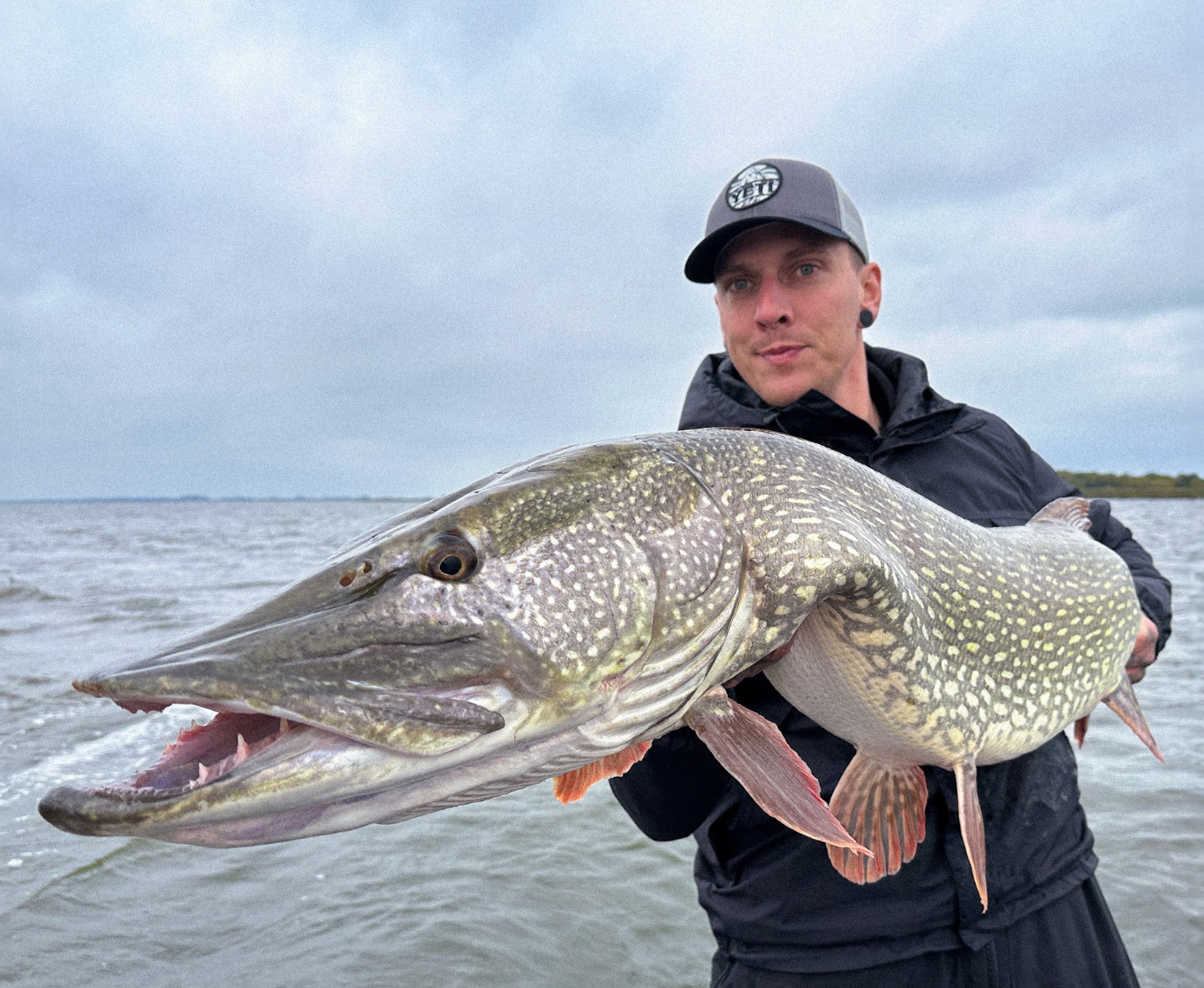
Pike have a distinctive appearance: a long, flat bill-like snout packed with sharp teeth (upwards of 700 in multiple rows), a large mouth, and olive-green bodies covered in cream or yellow spots. They typically range from 18 inches to 36 inches in the US, with trophy fish exceeding 40 inches and 20 pounds. In Scandinavia and parts of Europe, pike grow significantly larger.
Pike are ambush predators. They use their camouflage to hide in weed beds, under lily pads, along drop-offs, and near any submerged structure, then launch explosive attacks on passing prey. Their primary hunting sense is sight, which is the most important thing to understand when choosing a lure. A lure that is visible and visually provocative will almost always outperform one that is simply scented or realistic in appearance.
Where Do Northern Pike Live in the US?
Northern pike thrive in cold, clear to slightly stained lakes, rivers, and reservoirs across the northern tier of the United States. The upper Midwest is prime territory: Minnesota, Wisconsin, and Michigan have some of the best pike fishing in the country. They are also present throughout the Great Lakes drainage, New England, Montana, Wyoming, and have been introduced to several western and southern states including Arizona, California, and Colorado — though introductions are controversial there due to their impact on native species.
In terms of habitat within any given water body, pike position themselves based on two things: proximity to cover and proximity to food. Weed beds — particularly dense green cabbage weed — are the single most reliable place to find pike in all seasons. Look for weed edges where shallow flats drop into deeper water, rocky points and reefs that baitfish relate to, sunken islands, and any inlet or outlet where current concentrates food. In rivers, current seams, deep pools behind obstacles, and slow backwater bays all hold pike.
How to Find Pike Through the Seasons
Understanding the seasonal cycle of pike behavior is what separates consistent pike anglers from everyone else. Water temperature drives everything. Know the temperature and you know where the fish are.
Mid-40s water temp triggers movement to shallow dark-bottomed bays for spawning. Post-spawn feed in late May can be the best pike fishing of the year — aggressive, numerous, and in shallow water.
55-65°F: pike sit along weed edges, cabbage beds, and drop-offs. Above 65°F larger fish push deeper and suspend mid-water chasing baitfish. Fast retrieve works well. Electronics help locate fish.
The best all-around season. Water at 11°C (52°F) and dropping means fat, actively feeding pike. They're congregating toward deeper water but still accessible. Numbers and size both peak here.
Fish steep drop-offs on north-facing banks where water is warmest. Short feeding windows at dawn and dusk. In early ice, fish shallow green weed on tip-ups with live or dead bait.
One pattern that holds across almost every body of water: in winter, seek out the steepest underwater drop-offs on the north side of the lake. North-facing banks receive more winter sun and are shielded from cold northerly winds, which makes them consistently a degree or two warmer. For a cold-blooded animal like pike, that difference is everything. A steep shelf also means pike can travel from deep, stable water to warm shallows quickly when the conditions are right.
What Are the Best Pike Fishing Lures?
Pike respond to a wide range of lures, but not all lures work equally well in every condition. The key is matching your lure's action and visual impact to the activity level of the fish. Here's how to think about pike lures:
Aggressive Soft Plastics with Body Roll Action
The best all-around pike lure in most conditions is a large soft plastic swimbait with body roll action. Body roll is when the tail and the belly of the lure twist in opposite directions as it moves through the water, creating both visual flash and significant vibration. This combination is as visible as any lure gets, and because pike hunt with their eyes, a body-roll softbait fished at medium-fast retrieve is consistently the most productive starting point. Cast it into weed edges, retrieve steadily, and vary depth with your rod angle. The JAEGER VIMBA is built exactly for this style of pike fishing — heavy enough to cast distance, with a swim action that triggers reaction strikes even from passive fish.

VIMBA – PIKE SOFTBAIT (3 PIECES)
(44) ★★★★★
Large-body pike swimbait with body roll action that creates flash and vibration pike can't ignore. Deadly along weed edges, over cabbage beds, and in open water. Available in Olive Cream, Dark Amber, Frosted Lime, and Black. 3 pieces per pack.
➔ Shop VIMBA SoftbaitPre-Rigged Jig Sets for Fast, Deep Presentations
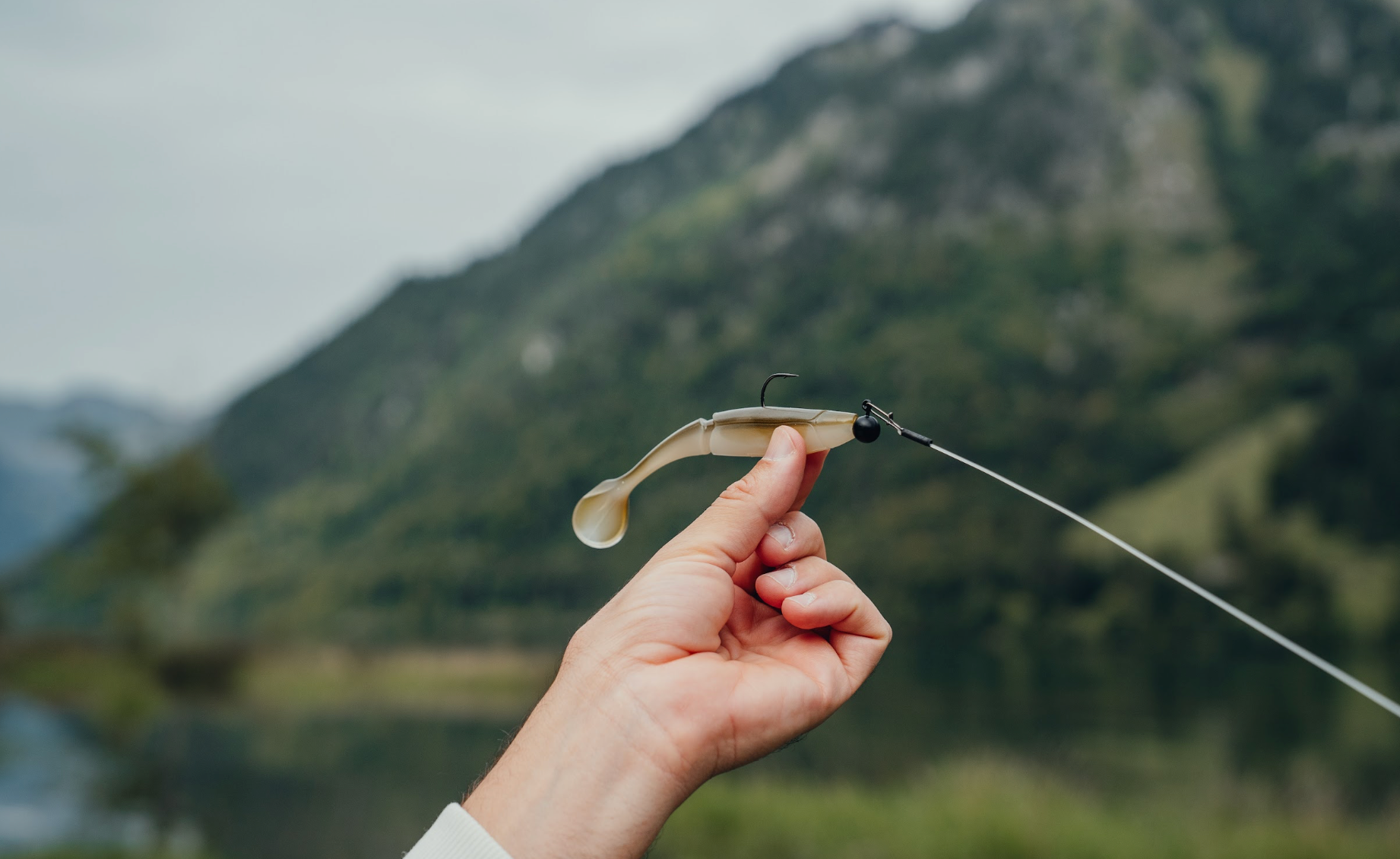
When pike are holding deeper or sitting tight on the bottom — particularly in cold water or high-pressure conditions — a vertical jig presentation often outfishes a straight horizontal retrieve. A pre-rigged jig set takes all the guesswork out of rigging: the weight, hook, and soft plastic body are already matched and balanced. You clip it on, cast or drop, and work it with short lifts and drops through the water column. This is also an excellent method for drop-offs, river holes, and any spot where pike are clearly present but not chasing active lures.

JIG SET – PIKE JIG SET
(14) ★★★★★
Pre-rigged jig set designed specifically for pike fishing. Built to handle aggressive strikes with strong hooks and durable components. Ideal for vertical presentations near drop-offs, deep weed edges, and river holes. Ready to fish straight out of the package.
➔ Shop JIG SETSpinnerbaits and Inline Spinners
Spinnerbaits are a go-to pike lure in warm water — but only when the water temperature is above 13°C (55°F). Below that threshold, pike won't chase them reliably. When the water is warm and clear, fish a spinnerbait with long willow-leaf blades as fast as you can retrieve it. The speed removes the pike's ability to inspect the lure, and they react on instinct. In murky or stained water at any temperature, switch to wider Colorado blades with bright colors like chartreuse or white. Colorado blades thump heavily and emit more vibration, helping pike track the lure when visibility is limited.
Swimbaits and Jerkbaits
Swimbaits and jerkbaits have one key advantage over other pike lures: the ability to suspend when paused. On cold or pressured water days when pike are following lures but not committing, a twitch-twitch-PAUSE presentation can be genuinely lethal. The pause mimics a dying or disoriented baitfish, and many pike that won't chase a steady retrieve will crush a suspended lure. If you're noticing that most of your hits come the moment the lure stops, that's the fish telling you exactly what presentation they want.

What Is the Best Pike Fishing Setup?
Pike are powerful, toothy, and capable of destroying light tackle quickly. Your setup needs to be able to handle a 15+ pound fish running at you from a weed bed while also casting large lures accurately. Here's what works:
- Rod: 7 to 8 ft medium-heavy to heavy action spinning or baitcasting rod. For lure fishing, a rod with a slightly slower through-action is ideal — it gives the pike a split second more to get the lure fully in its mouth before the strike, which results in better hook-sets given the bony structure of a pike's snout.
- Reel: A quality baitcasting or heavy spinning reel. For most US pike waters, a medium-large spinning reel (4000-5000 series) handles soft plastics and spinnerbaits well. Baitcasters give more control for precise casts around cover.
- Main line: 30-50 lb braided line. Braid has zero stretch, gives you direct feel of the lure, and allows you to pull lures out of snags rather than losing them.
- Leader: This is non-negotiable — always use a wire leader or heavy fluorocarbon leader (0.8-1mm diameter) of 12-18 inches. Pike teeth will cut through unprotected monofilament or light fluorocarbon instantly. A bite-off means losing a fish and a lure. Multi-strand wire is the simplest and most reliable option for pike fishing.
If you want all of this dialed in from day one without having to piece together individual components, the JAEGER Pike Go Kit is the most straightforward solution for pike fishing — everything is matched, tested, and ready to go out of the box. Browse the full range on the JAEGER Pike Fishing Gear page.

PIKE GO KIT – ALL-IN-ONE PIKE FISHING COMBO
(1145) ★★★★★
Everything you need for pike fishing in one kit. Rod, reel, line, wire leader, and JAEGER pike lures — matched, tested, and ready to fish. The fastest way to start catching northern pike without the guesswork of building a setup from scratch. Perfect for beginners and experienced predator anglers upgrading their rig.
➔ Shop Pike Go KitPro Tips That Will Put More Pike in the Net
These are the details most pike fishing guides don't cover, but they make a consistent difference in how many fish you land:
- Watch where your fish are being hooked. Pike have a long, bony snout. A fish hooked in the front of the mouth is a "negative" fish — it swiped at the lure rather than engulfing it. When you're getting front-of-mouth hookups, downsize your lure and slow your retrieve. A fish hooked deeper in the scissors or back of the mouth is an aggressive, confident feeder. Match that energy with bigger, faster presentations.
- Dealing with followers. Pike will often follow a lure all the way to the bank or boat without striking — one of the most maddening experiences in pike fishing. The rule is simple: water below 10°C (50°F) means slow down and let the lure flutter in place, giving a lethargic pike time to commit. Water above 10°C means speed up significantly and try for a reaction strike. Speed acceleration at the end of a retrieve triggers a reflex in warmer-water fish that have been following without committing.
- Always check your hooks. Pike mouths are made of bone and cartilage. Every strike, every fish, every snag blunts your hooks. A dull hook on a pike means lost fish. Keep a hook file in your pocket and run it over the point after every few fish or any contact with structure.
- Find the productive depth profile and replicate it. If you catch fish consistently at one specific depth over a certain bottom type, move to other areas with the identical depth and bottom profile. Pike tend to stack in areas that match specific conditions on a given day. Catching two fish off a 12-foot weed edge over hard bottom means every other 12-foot weed edge over hard bottom on that lake is worth checking.
Is Pike a Good Fish to Eat?
Yes — northern pike is an excellent eating fish with white, flaky, mild-tasting meat. The catch is the Y-bones: a series of small intramuscular bones that run through the flesh at a diagonal. This is why some anglers release pike without eating them, and why some people say pike isn't worth the trouble. But once you learn the five-fillet technique for removing Y-bones, pike becomes one of the best-tasting freshwater fish available. Smaller to mid-sized pike (18-24 inches) are generally preferred for eating, as the bone ratio is more manageable. Many serious pike anglers release fish over 30 inches as a matter of practice, allowing the largest, oldest fish to remain in the population.
Ready to start pike fishing? Browse the full JAEGER Pike Fishing Gear collection for everything from complete all-in-one combos to individual softbaits and pre-rigged jig sets. Shipped flat rate from our Texas warehouse.
FAQ
What is pike fishing?
What do Americans call pike?
Do pike have 700 teeth?
Is pike the same as jack?
Why don't some people eat pike?
How old is a 20 pound pike?
What is the best pike fishing setup for beginners?

Leave a comment
This site is protected by hCaptcha and the hCaptcha Privacy Policy and Terms of Service apply.