
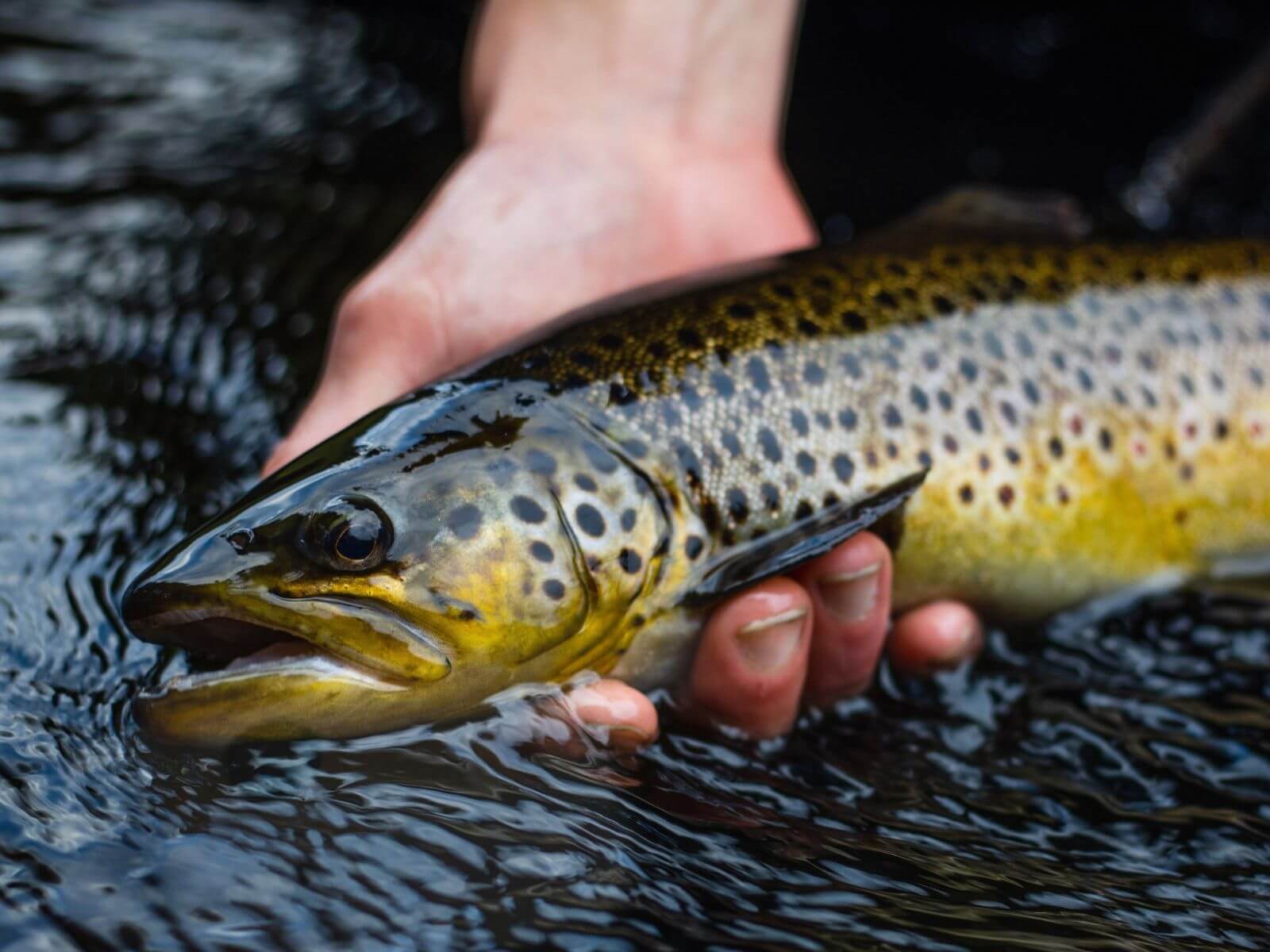
Trout Fishing for Beginners: The Complete Guide to Your First Catch (2026)
Trout Fishing for Beginners: Everything at a Glance
- Trout fishing for beginners is one of the most accessible forms of fishing — no expensive gear, no complicated techniques needed to start catching fish
- The easiest way to catch trout is bottom fishing with floating dough bait (like PowerBait) in stocked lakes and ponds
- Best beginner setup: 6-7 ft light-action spinning rod, 4-6 lb monofilament, size 8 hook — simple and highly effective
- The best baits for trout fishing are PowerBait for still water and small spinners or spoons for rivers and streams
- Best time to fish: early morning (5–8 AM) and evening (after 7 PM) — trout are most active in low light
- Yes, trout is anti-inflammatory — it's one of the richest natural sources of omega-3 fatty acids available to freshwater anglers
- All trout fishing gear and lures on the JAEGER Trout Fishing Gear page
Is Trout a Good Fish for Beginners?
Absolutely because trout is one of the best fish for beginners, and here's why. First, trout are widely available across the United States. Rainbow trout, brown trout, and brook trout are stocked regularly in lakes, ponds, reservoirs, and rivers in almost every state, meaning you don't have to travel far or have access to remote wilderness to go trout fishing. Second, trout are responsive.
Unlike some species that require years of learning to locate and trigger, a well-presented bait in the right area will catch trout reliably, even for first-timers. Third, trout fight hard for their size. A 12-inch rainbow on a light rod is genuinely exciting to reel in, and that excitement is what keeps beginners coming back.
Trout fishing for beginners is also extremely affordable. You don't need a boat, specialized sonar equipment, or a truck full of tackle. A simple spinning rod and a small selection of lures is all it takes to have a productive day on the water. If you're just getting into fishing and wondering where to start, trout fishing is one of the most rewarding choices you can make.
What Gear Do You Need to Start Trout Fishing?
One of the biggest mistakes beginners make is overcomplicating their setup. Trout fishing for beginners works best with a simple, balanced rig. Here's what actually matters:
6 to 7 ft light-action spinning rod paired with a 1000 to 2500-series reel. Sensitive tip to detect soft bites.
Trout have excellent eyesight. Heavy or thick line will spook them. Monofilament or light fluorocarbon is the right call.
A few size 8 or 10 bait hooks, small #5 split shot weights, and barrel swivels. That's all you need to start.
Keeping your setup light is especially important in clear water, where trout can see and feel heavy lines. If your line diameter is too thick or your hooks too large, you'll get far fewer bites regardless of how good your bait is. Our full guide on trout rigs and setups goes deeper into leader lengths, hook sizing, and rig variations for different trout water types.

What is the Best Bait for Trout Fishing?
This is one of the most common questions in trout fishing for beginners, and the honest answer is: it depends on where you're fishing. There is no single best bait that works everywhere, but there are clear front-runners for each situation.
Still Water (Lakes, Ponds, Reservoirs)
In stocked still water, floating dough bait — most commonly Berkley PowerBait — is one of the most reliable baits for trout fishing beginners will ever use. The formula attracts trout with scent, and the buoyancy of the bait keeps it floating just off the bottom, directly in the trout's feeding zone. Roll a marble-sized ball onto a size 8-10 hook and cast it out on a Carolina-style rig. Then you wait. It's simple, passive, and it works. Natural worms and salmon eggs are close alternatives, both of which produce consistent results in still water.
Rivers and Streams
In moving water, small metal lures are the best bait for trout fishing in most situations. Inline spinners and spoons flash and vibrate as they're retrieved, triggering the aggressive, reflex-driven strikes that trout in rivers are known for. Cast across the current, let it swing downstream, and retrieve just fast enough to feel the blade rotating. The JAEGER SALTA Trout Spinner and NEMA Trout Spoon are both designed exactly for this type of trout fishing — lightweight, precise, and proven in creek and river conditions.

SALTA – TROUT SPINNER
(54) ★★★★★
Lightweight inline spinner designed for rivers, streams, and still water. The rotating blade creates flash and vibration that trout can't resist. Available in Aqua Pearl, Indigo Rose, and Black Lime. One of the best beginner trout lures available.
➔ Shop SALTA Spinner
NEMA – TROUT SPOON
(26) ★★★★★
Ultra-light trout spoon for lakes, rivers, and creeks. Wobbling action imitates a fleeing baitfish — perfect for beginners who want to cover water fast and find active trout. Available in Aqua Pearl, Black Lime, and Indigo Rose.
➔ Shop NEMA SpoonWhat is the Easiest Way to Catch Trout?
The single easiest way to catch trout as a beginner is to fish a stocked lake or pond with floating PowerBait on a simple bottom rig. Stocked trout are regularly placed into public waters by state fish and wildlife agencies specifically to give anglers — especially beginners — a reliable chance at catching fish. These fish are accustomed to pellet feed, and the scent-formula in dough baits is very effective at attracting them.
Here's the basic setup step by step:
- Thread an egg sinker (1/4 oz) onto your main line before tying on a barrel swivel
- Attach a 2 to 3-foot fluorocarbon leader (4-6 lb) to the other end of the swivel
- Tie on a size 8-10 bait hook at the end of your leader
- Mold a small ball of PowerBait around the hook, covering the hook completely
- Cast to open water, let the rig sink, reel in slack until there's a slight bend in the line, and wait for the rod tip to twitch
That's trout fishing for beginners in its simplest, most effective form. If you prefer a more active approach, casting spinners along shorelines or across river currents is equally beginner-friendly and a lot of fun. The JAEGER Trout Fishing Masterclass covers both methods in full detail.

SNAP RIG – TROUT LEADER WITH SNAP
(21) ★★★★★
Pre-tied trout leader with snap for fast lure changes. Perfectly balanced for light trout fishing setups. Ideal for beginners who want a ready-to-fish rig without complicated knot tying. Just clip on your lure and go.
➔ Shop SNAP RIGWhere Do Trout Live? Finding the Right Spot
Knowing where trout hold in the water is one of the most important skills in trout fishing for beginners. Trout are cold-water fish that need highly oxygenated water. Their location changes depending on the water type, the time of day, and the season.
In Lakes and Ponds
- Deep drop-offs: Trout retreat to deeper, cooler water during warm afternoons. Fish the edges of deep water where it meets shallow flats.
- Inlets and outlets: Moving water brings in oxygen and food. Any stream entering or leaving a lake is a reliable trout spot year-round.
- Shaded areas: Overhanging trees, docks, and structures cast shade that trout actively seek out in bright conditions.
- Near the surface early and late: During low-light hours, stocked trout often cruise just below the surface feeding on insects.
In Rivers and Streams
- Seams: The boundary between fast and slow current is where trout wait for food to drift past. Focus on the edge of white water where it slows down behind rocks, logs, or bends.
- Deep pools: Deeper, slower sections of rivers hold trout throughout the day, especially in summer when surface temperatures rise.
- Behind boulders: Large rocks break the current and create slack water directly downstream. Trout hold here to rest without expending energy fighting the current.
- Undercut banks: Eroded riverbanks create shaded, sheltered pockets where larger trout often sit.
When is the Best Time for Trout Fishing for Beginners?
Timing your trout fishing trips correctly makes a significant difference, especially as a beginner. Trout are cold-water fish that become less active when water temperatures climb above 68°F (20°C). The best times to go trout fishing are consistently the same across most of the US:
- Early morning (5–8 AM): Water temperatures are at their lowest, trout are active and feeding in shallow water. This is the single best time for trout fishing, especially in summer.
- Evening (7–10 PM): The second prime window. Temperatures drop, insects hatch, and trout move into feeding lanes aggressively.
- Overcast days: Cloud cover reduces light penetration, which makes trout bolder and more likely to feed throughout the day regardless of temperature.
- Spring and fall: The best seasons overall for trout fishing. Moderate water temperatures allow trout to be active all day, not just at dawn and dusk.
What Trout Species Should Beginners Target?
The 3 Most Common Beginner-Friendly Trout Species in the US
Rainbow Trout — The most widely stocked trout in the US. Found in nearly every state, aggressive feeders, and one of the most rewarding trout for beginners to catch on spinners and bait alike. The go-to target for anyone starting out in trout fishing.
Brown Trout — Found in rivers and larger lakes, slightly more selective than rainbows. Brown trout reward patience and precise presentation. Excellent target once you've learned the basics.
Brook Trout — Native to the eastern US, small streams and mountain creeks. Often abundant and less pressured than rainbows. Beautiful fish and very catchable for beginners on small spinners and spoons.
Is Trout Anti-Inflammatory?
Yes and this is one of the most underappreciated reasons to go trout fishing. Trout, particularly rainbow trout and lake trout, are among the richest natural sources of omega-3 fatty acids found in any freshwater fish. Omega-3s are well-documented anti-inflammatory compounds that support heart health, brain function, and joint health. A single serving of rainbow trout provides approximately 1,000 to 1,700 mg of omega-3 fatty acids, which meets or exceeds the daily recommended intake for most adults.
Beyond omega-3s, trout is also a lean, high-protein fish with B vitamins, selenium, and potassium. For anglers who eat what they catch, trout is genuinely one of the healthiest freshwater fish on the table. The combination of an accessible, exciting fishing experience and a nutritious, delicious meal at the end of the day is a big part of why trout fishing for beginners tends to turn into a lifelong passion.
Do You Need a Fishing License for Trout?
In almost every US state, yes — you need a valid fishing license to fish for trout legally. In many states, a separate trout stamp or trout permit is also required on top of your general fishing license. Regulations vary significantly by state, county, and even individual body of water, so it's essential to check before you go.
- Purchase your license through your state's fish and wildlife agency website before heading out
- Check whether a trout stamp is required in addition to your general license
- Review daily bag limits and size limits for the specific water you're fishing
- Check for lure restrictions — some designated fly-fishing or catch-and-release waters prohibit bait and certain hook types
Stocked trout waters are often open year-round, but wild trout streams may have seasonal closures to protect spawning fish. Always verify local regulations before your first trout fishing trip.
5 Common Trout Fishing Mistakes Beginners Make
Learning from mistakes is part of trout fishing for beginners, but some mistakes are easy to avoid if you know what to watch for.
- Line too heavy: Trout see line clearly in clean water. Dropping from 10 lb to 6 lb monofilament can double your bites in clear conditions.
- Moving too fast: Beginners often walk quickly along the bank, casting shadows and sending vibrations into the water. Trout spook easily. Move slowly and quietly.
- Fishing the wrong depth: Trout holding at 6 feet won't come up for a bait sitting on the bottom at 12 feet. Match your presentation to where the fish actually are.
- Ignoring current seams: In rivers, casting into the middle of the current is less effective than targeting the edge where fast water meets slow. Most trout hold in or near seams.
- Skipping the morning window: Many beginners arrive mid-morning or at noon. In summer especially, the first two hours of daylight are disproportionately productive. Set your alarm.
Ready to gear up for your first trout trip? Find everything you need on the JAEGER Trout Fishing Gear page — from proven spoons and spinners to pre-tied rigs built specifically for beginners. Our full Trout Fishing Masterclass takes you from first cast to confident angler with detailed technique breakdowns for every trout water type. All gear ships from our Texas warehouse with flat-rate $7 shipping across the US.
FAQ
What is the easiest way to catch trout?
The easiest way to catch trout for beginners is bottom fishing with floating dough bait (like PowerBait) in a stocked lake or pond. Cast a Carolina-style rig to open water, let it sink, and wait for the rod tip to twitch. This passive method consistently produces results with minimal technique required.
Is trout a good fish for beginners?
Yes — trout is one of the best fish for beginners. They are widely stocked across the US, respond well to simple bait presentations, fight hard on light gear, and are found in accessible public waters in nearly every state. Trout fishing for beginners is both highly achievable and genuinely exciting from the first session.
What is the best bait for trout fishing?
The best bait for trout fishing depends on the water type. In stocked lakes and ponds, floating dough baits like Berkley PowerBait are highly effective. In rivers and streams, small inline spinners and spoons like the JAEGER SALTA and NEMA outperform natural bait in most conditions because they cover water quickly and trigger reaction strikes.
Is trout anti-inflammatory?
Yes. Trout is one of the richest freshwater sources of omega-3 fatty acids, which are well-documented anti-inflammatory compounds. A single serving of rainbow trout provides 1,000 to 1,700 mg of omega-3s, exceeding the daily recommended intake for most adults. It's also high in protein, B vitamins, and selenium, making it one of the healthiest freshwater fish you can eat.
What size lure should beginners use for trout?
Keep it small. For trout fishing, beginners should use lures in the 1/16 to 1/8 oz range. Spoons and spinners in this weight class cast well on light tackle, match the size of baitfish trout naturally feed on, and are easy to control in both still and moving water.
What is the best time of day for trout fishing?
Early morning between 5 and 8 AM is the most reliable time for trout fishing across most of the US, especially in warmer months. The evening window from 7 PM onward is the second-best


Leave a comment
This site is protected by hCaptcha and the hCaptcha Privacy Policy and Terms of Service apply.