
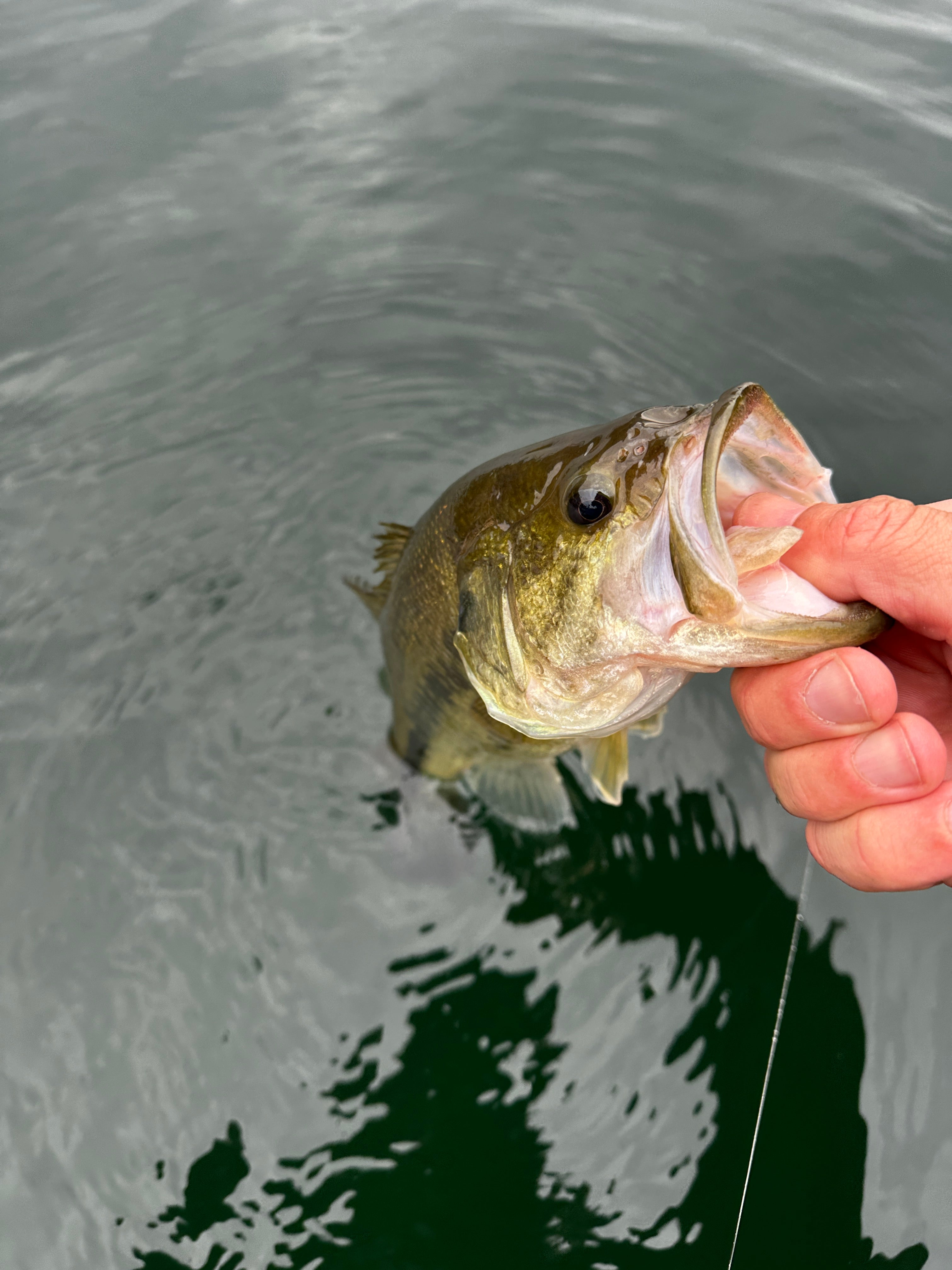
Best Bass Lures 2026 – Top Picks for Every Season and Technique
There are thousands of bass lures on the market. Most of them catch fish. Most of them are also unnecessary.
What actually separates anglers who catch bass consistently from those who struggle is not the lure itself. It is knowing which category of lure to reach for and why. A pro bass fisherman does not have 200 lures. He has deep confidence in 6 to 8 baits and he knows exactly when each one is the right call.
This guide gives you that framework. You will learn the top lure categories, when to use each one, what color choices matter, and which specific setups produce fish in 2026 across all seasons and conditions.
Best Bass Lures 2026 – What You Will Learn
- • The top 5 bass lure categories and what makes each one work
- • What lures professional bass fishermen rely on most
- • The most effective bass lure for beginners and experienced anglers
- • The best crankbait choices for 2026 and how to fish them
- • What color lures attract bass in clear, stained and muddy water
- • A season by season lure selection guide so you always have the right bait tied on
What Makes a Bass Lure Effective?
Before getting into specific lures, it helps to understand what bass actually respond to. Bass are ambush predators that use three primary senses to find and attack prey: sight, vibration, and pressure. A lure that triggers one or more of those senses in the right way gets eaten.
That is why the same lure can be deadly on one day and completely ignored the next. Water clarity, temperature, light conditions, and seasonal behavior all change which trigger matters most. Understanding that is what separates good anglers from great ones.
The lures in this guide are not ranked by gimmick. They are ranked by how often they produce fish across a wide range of conditions, how many professional bass anglers rely on them, and how well they translate into actual catches for everyday anglers.

The Top 5 Best Bass Lures
1. Soft Plastic Worms and Stick Baits
If there is one lure category that has caught more bass than everything else combined, this is it. The soft plastic worm has been producing fish since the 1950s and it still dominates tournament catches today. Nothing in bass fishing has a better track record.
The reason is simple. A soft plastic worm looks and feels like real food. It falls slowly and naturally. Bass hold on to it longer because it does not feel like hard plastic or metal. That extra second of holding time is often the difference between a missed bite and a landed fish.
The most productive setups:
Texas Rig is the foundation. A bullet weight, an offset hook, and a soft plastic bait. Completely weedless, which means you can drag it through grass, brush, laydowns, and dock posts without snagging. This is the rig that every bass angler should know before anything else.
The wacky rig takes a stick bait and puts the hook through the middle of the bait. No weight in most cases. The bait falls with a shimmy action that drives bass crazy in clear, shallow water. Near docks and in spawning areas it is nearly impossible to beat.
The Ned rig is a small piece of stick bait on a mushroom-head jig. It stands up on the bottom during pauses and the subtle action triggers finicky bass when nothing else works.
Best colors for soft plastics: Green pumpkin works in almost every situation. It matches crawfish, small bluegill, and baitfish in most water types. Watermelon red is excellent in clear water on sunny days. Black and blue creates maximum contrast in dark or stained water and at night.
What attracts bass most about soft plastics: The lifelike fall, the natural texture, and the ability to be fished extremely slowly. When bass are not chasing, a slow-falling soft plastic gives them time to commit.


For a full breakdown of how to pick the right shape, color, and retrieve for soft plastics, read our dedicated guide: Soft Baits for Bass – Choosing the Right Colors, Shapes and Action
2. Jigs
The jig is the lure that catches the biggest bass. Ask any touring pro what bait produces their heaviest fish across a season and most will point to a jig. It does not catch the most fish. It catches the best fish.
A bass jig consists of a weighted hook head with a silicone skirt and usually a soft plastic trailer. It mimics a crawfish, a bluegill, or a small baitfish depending on how it is fished. Bass eat all three, which is why a jig works in so many situations.
The most effective jig techniques:
Flipping and pitching is about accuracy. You put the jig into very specific targets, a dock post, a gap in the brush, the shadow under a laydown, and let it fall straight down. Strikes come on the initial fall or the first couple of hops off the bottom.
Swimming a jig through open water works like a swimbait. A slow, steady retrieve at mid-depth with the skirt pulsing imitates a fleeing bluegill. This technique catches fish that are not holding tight to cover.
A football jig is designed for hard, rocky bottom in deeper water. It rolls naturally over rocks and gravel, exactly where bass position in the summer months.
What professional bass fishermen say about jigs: On any given tournament circuit stop, a jig is on the deck of most boats. Not as the only option but as the confidence bait when conditions get tough.
3. Crankbaits
Crankbaits are the best tool for covering water fast and triggering reaction strikes. A bass does not always eat a crankbait because it is hungry. It eats it because something fast, flashy, and vibrating ran right past its face and its instinct took over.
That reaction-strike element is what makes crankbaits uniquely effective, especially on pressured water where bass have seen every finesse presentation and stopped responding.
The three types you need:
A squarebill crankbait runs 0 to 4 feet deep. The square lip deflects off rocks, stumps, and wood rather than snagging, which actually triggers more strikes. Fish it fast through shallow cover in spring and fall.
A medium diver runs 6 to 10 feet. This covers main lake points, channel bends, and mid-depth transition zones. It is the most all-around crankbait depth range and covers where bass spend most of their time in summer.
A deep diver runs 10 to 20 feet. In midsummer when bass have pushed deep to find cooler water, this is one of the few lures that reaches them efficiently. Crawl it slowly along the bottom on ledges and creek channel edges.
What is the best crankbait for 2026?
Squarebill crankbaits in crawfish colors (orange brown, red, and chartreuse) dominate spring fishing from March through May. For summer and fall, a natural shad-pattern medium diver in a 2.5 to 3-inch profile is the most consistent performer. Select something with a tight wobble in clear water and a wider wobble in stained water.
Best colors: Shad patterns (silver, white, grey blue) in clear water. Chartreuse and bright orange in murky or stained water. Crawfish patterns (red brown, orange, rust) whenever bass are feeding near rocky or hard bottom.
4. Topwater Lures
Topwater fishing creates the most memorable moments in bass fishing. The strike is visible, often explosive, and completely unpredictable. There is nothing like watching a 5-pound largemouth blow up on a surface bait at first light.
Beyond the excitement, topwater lures are genuinely effective in specific conditions. Bass feeding on the surface are in attack mode. If you are in the right place at the right time with the right lure, the bite can be extraordinary.
The topwater lures worth owning: A walking bait like a Zara Spook or similar is fished with a walk-the-dog retrieve. The rod tip is twitched in a steady rhythm while reeling slowly, causing the bait to zigzag across the surface. This action imitates a distressed baitfish and draws bass from a surprising distance.
A hollow-body frog is designed for thick mats of vegetation, lily pads, and scum. You can fish it over cover that would stop any other lure. When bass blow up through a mat to eat a frog, it is one of the most satisfying experiences in fishing.
A buzzbait is a blade on a wire that creates a loud, churning noise across the surface. It is best fished in low light on calm mornings over shallow flats. Bass hear the commotion before they see the lure.
When to use topwater: Early morning from sunrise until about 9 AM. Late evening in the hour before dark. Overcast days when bass stay shallow longer. Anywhere you find schooling bass chasing bait on the surface.
5. Spinnerbaits
The spinnerbait is one of the most forgiving lures in bass fishing. It is hard to fish wrong. You cast it out and reel it in, adjusting speed and depth until you find where bass are holding. The flashing blades and pulsing skirt do the rest.
Spinnerbaits work because they simultaneously trigger bass through sight and vibration. The spinning blades create a pressure wave that bass detect through their lateral line, which means spinnerbaits are effective even in conditions where visibility is low.
How to fish a spinnerbait: A slow roll keeps the bait just above the bottom through deeper water. A medium retrieve runs the lure at mid-depth through open water over vegetation. A fast retrieve just under the surface creates a boil and works like a topwater in low-light conditions.
Best situations for spinnerbaits:
Cloudy days and wind. Bass move shallower and feed more aggressively in low-light conditions, and a spinnerbait covers that shallow zone extremely well. Stained or murky water where bass are using their lateral line more than their eyes. Spring prespawn when bass are staging on flats and feeding fast.
What Lure Has Caught the Most Bass?
No single lure holds that record because no one tracks it. But across decades of tournament data, fishing reports, and angler surveys, the soft plastic worm has produced more bass than any other lure category. The Texas-rigged worm specifically is the single most versatile and widely used bass presentation in the history of the sport.
The jig comes in second for raw numbers and arguably first for the size of fish it catches.
What Color Lure Attracts Bass?
Color selection is one of the most talked-about topics in bass fishing and one of the most overcomplicated. Here is the framework that actually works:
- Clear water: Natural, translucent colors that match the actual food bass are eating. Green pumpkin, watermelon, shad patterns (silver, white, pale blue). Bass can see well here, so realism matters.
- Stained or lightly murky water: Slightly brighter versions of natural colors. Chartreuse-tipped soft plastics, gold blades on spinnerbaits, crankbaits with a little orange or yellow mixed in.
- Muddy or heavily stained water: High contrast and dark silhouettes. Black and blue soft plastics, solid white or chartreuse spinnerbaits, bright orange crankbaits. Bass are using vibration and silhouette more than color detail here.
- Overcast days: Brighter colors across the board. Bass come shallower and visibility is reduced, so a more visible lure gets seen and eaten.
- Bright sunny days: Natural colors and smaller profiles. Bass can be selective and will inspect a bait before committing.
The practical answer: start with green pumpkin in clear water and black and blue in dark water. Those two colors will cover the majority of your bass fishing situations.

Best Bass Lures by Season
- Spring (March to May): Crawfish-pattern squarebill crankbaits, soft plastic stick baits on a wacky rig near spawning areas, spinnerbaits on pre-spawn flats. This is the most forgiving season because bass are eating aggressively.
- Summer (June to August): Deep-diving crankbaits on ledges, football jigs on hard bottom, drop-shot rigs with finesse soft plastics in clear water. Topwater early morning only. Slow down your presentation significantly compared to spring.
- Fall (September to November): Shad-pattern medium crankbaits, spinnerbaits matching the color of baitfish schools, swimbaits and jerkbaits as water cools. One of the best seasons to fish reaction baits because bass are chasing bait aggressively.
- Winter (December to February): Suspending jerkbaits worked slowly, small finesse jigs on a slow drag, drop-shot rigs held nearly still over deep structure. The slower the better. A 10-second pause on a jerkbait in cold water can turn a follow into a strike.
What Lures Do Professional Bass Fishermen Use?
Tournament pros rotate through a core set of baits depending on the body of water, season, and conditions. But there are lures that appear on almost every pro's deck regardless of the tournament.
A flipping jig is on every serious pro's rod when bass are in heavy cover. A squarebill crankbait makes it onto nearly every deck in spring. A soft plastic worm of some variety is always present. A spinnerbait or bladed jig is the go-to search bait when covering unfamiliar water.
What professionals do differently from casual anglers is not what lures they use. It is how well they know each lure and how precisely they match it to the conditions. They do not switch lures constantly. They find the right one and work it with confidence until it stops producing.
The Fastest Way to Have the Right Setup Ready
Most bass anglers lose fish because they arrive at the water with mismatched gear or the wrong rigs. The JAEGER Bass Go Kit solves that completely. Rod, reel, line, soft plastics, and pre-rigged Texas setup. Everything matched and ready to fish before you ever leave the house.
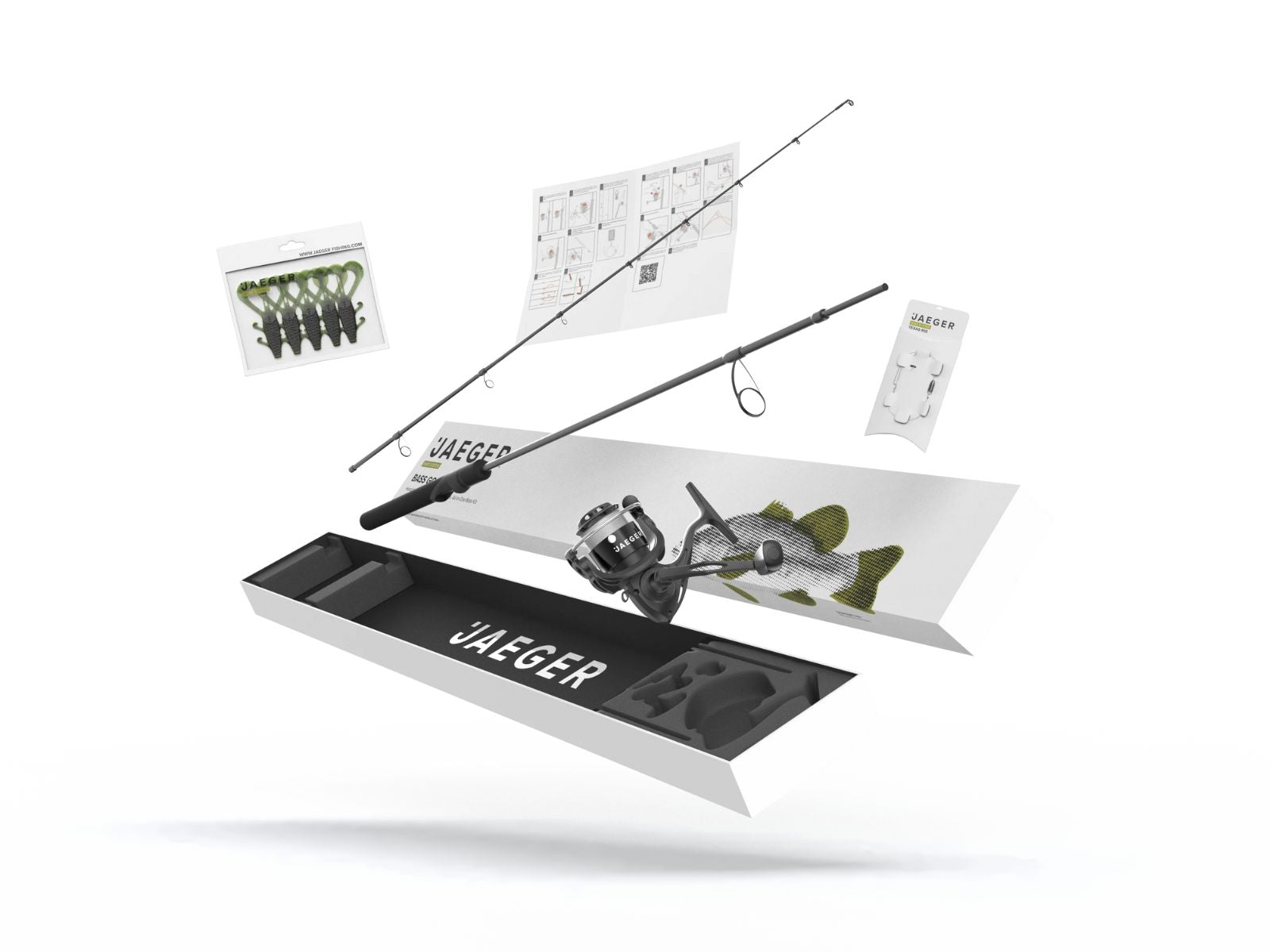
JAEGER Bass Go Kit – Rod, Reel, Lures and Rigs. All in One.
★★★★★ (20+ reviews)
7 ft rod · smooth 2500 reel · premium braid · TERA soft plastics · pre-rigged Texas setup.
Everything selected to work together. One knot and you are fishing.
FAQ
What are the top 5 best bass lures?
Soft plastic worms and stick baits, jigs, crankbaits, topwater lures, and spinnerbaits. These five categories cover every season, every depth, and every feeding condition bass go through across a full year.
What is the most effective bass lure?
A soft plastic stick bait on a Texas rig. It catches fish in every season, every water type, and at every skill level. No other lure category has a longer or more consistent track record in bass fishing.
What bait is irresistible to bass?
A slow-falling soft plastic in green pumpkin or black and blue in the right cover. Bass find it extremely hard to resist a natural-looking bait that falls slowly near structure they are using. The reason is it looks exactly like the crawfish and baitfish they are already eating.
What is the best crankbait for 2026?
A squarebill in crawfish colors for spring shallow water fishing, and a shad-pattern medium diver for summer and fall. Both are proven tournament producers and work across a wide range of conditions without requiring any advanced technique.
What lures do professional bass fishermen use?
Flipping jigs, squarebill crankbaits, soft plastic worms, spinnerbaits or bladed jigs, and suspending jerkbaits. These are the foundation of almost every tournament angler's approach regardless of the body of water.
What color lure attracts bass the most?
Green pumpkin in clear water. Black and blue in dark or stained water. Chartreuse when visibility is low and you need bass to find the bait by vibration and silhouette. These three colors cover the majority of bass fishing situations you will encounter.
Which lure is most effective overall?
For pure versatility across all conditions and seasons, the soft plastic worm on a Texas rig. For the biggest fish, a jig. For covering the most water in the shortest time, a crankbait or spinnerbait.
More Bass Fishing Guides from JAEGER
- Bass Fishing: The Complete Guide to Catch More Bass
- Soft Baits for Bass – Choosing the Right Colors, Shapes and Action
- Texas Rig 101 – How to Set Up, Fish and Catch More Bass
- Bass Fishing for Beginners – What You Really Need to Start
- Best Fishing Rod Combos for Bass
→ Explore all Bass Fishing Gear at JAEGER

Leave a comment
This site is protected by hCaptcha and the hCaptcha Privacy Policy and Terms of Service apply.